Hablamos Español

Diabetic Neuropathy and the Feet

Diabetic neuropathy is a common complication of diabetes that can cause nerve damage in the feet, toes, and ankles. Elevated blood sugar levels over time can harm the peripheral nerves, leading to symptoms such as numbness, tingling, burning sensations, or sharp pain. Many people experience a gradual loss of sensation, which increases the risk of unnoticed injuries like blisters or cuts. Left untreated, these minor wounds can lead to serious infections, ulcers, and, in severe cases, gangrene or amputation. Reduced muscle strength and coordination from neuropathy may also affect balance and gait, increasing the risk of falls. To prevent complications from diabetic neuropathy, it is important to maintain proper foot care and routine foot inspections. A podiatrist can perform an exam to assess nerve function, detect early signs of problems, and provide treatment for wounds or other foot issues. This foot doctor can also offer advice on footwear to reduce pressure and prevent injury. If you are experiencing symptoms of diabetic neuropathy, it is suggested that you schedule an appointment with a podiatrist for an exam and ongoing treatment.

Neuropathy

Neuropathy can be a potentially serious condition, especially if it is left undiagnosed. If you have any concerns that you may be experiencing nerve loss in your feet, consult with Anas Khoury, DPM from North Eastern Foot & Ankle Specialists. Our doctor will assess your condition and provide you with quality foot and ankle treatment for neuropathy.

What Is Neuropathy?

Neuropathy is a condition that leads to damage to the nerves in the body. Peripheral neuropathy, or neuropathy that affects your peripheral nervous system, usually occurs in the feet. Neuropathy can be triggered by a number of different causes. Such causes include diabetes, infections, cancers, disorders, and toxic substances.

Symptoms of Neuropathy Include:

  • Numbness
  • Sensation loss
  • Prickling and tingling sensations
  • Throbbing, freezing, burning pains
  • Muscle weakness

Those with diabetes are at serious risk due to being unable to feel an ulcer on their feet. Diabetics usually also suffer from poor blood circulation. This can lead to the wound not healing, infections occurring, and the limb may have to be amputated.

Treatment

To treat neuropathy in the foot, podiatrists will first diagnose the cause of the neuropathy. Figuring out the underlying cause of the neuropathy will allow the podiatrist to prescribe the best treatment, whether it be caused by diabetes, toxic substance exposure, infection, etc. If the nerve has not died, then it’s possible that sensation may be able to return to the foot.

Pain medication may be issued for pain. Electrical nerve stimulation can be used to stimulate nerves. If the neuropathy is caused from pressure on the nerves, then surgery may be necessary.

If you have any questions, please feel free to contact our office located in Passaic, NJ . We offer the newest diagnostic and treatment technologies for all your foot care needs.

Read more about Neuropathy

Hammertoe Facts

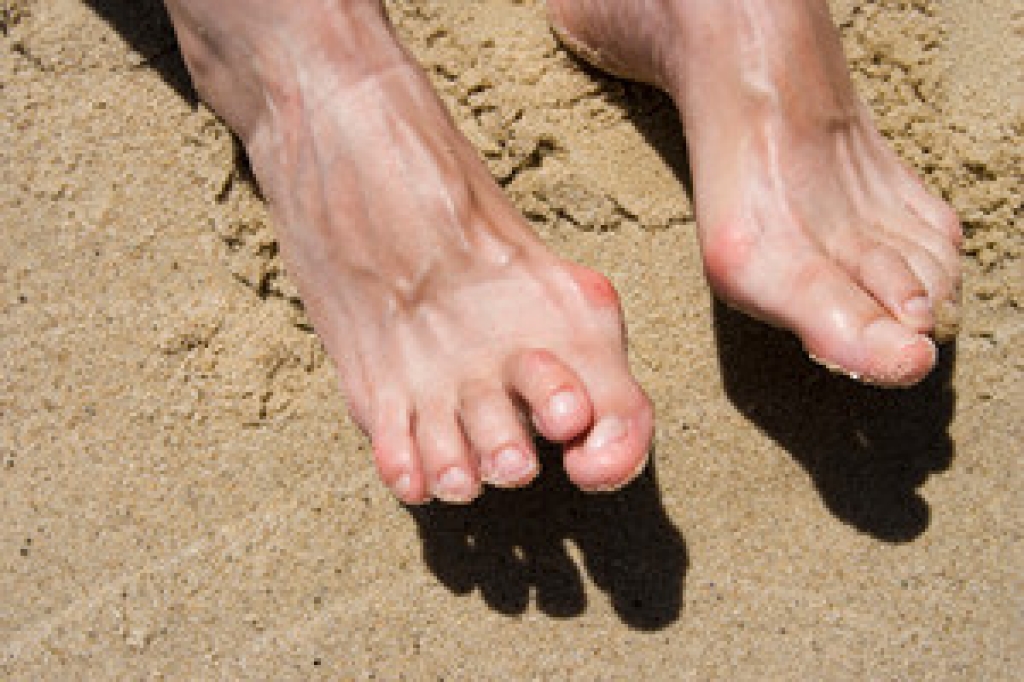
Hammertoe is a deformity where one or more toes bend abnormally at the middle joint, causing them to resemble a hammer. This condition can be caused by several factors, including wearing tight or ill-fitting shoes that force the toes into unnatural positions. Over time, the muscles and tendons in the toe become imbalanced, leading to the deformity. Other causes include injury, arthritis, and genetic predisposition. Symptoms of hammertoe include pain or discomfort in the affected toes, especially when wearing shoes or walking for long periods. The toes may become stiff and difficult to straighten, and in some cases, corns or calluses can form on the tops or tips of the toes due to pressure. If you have symptoms of hammertoe, it is suggested that you consult a podiatrist who can offer you effective relief and treatment solutions. 

Hammertoes can be a painful condition to live with. For more information, contact Anas Khoury, DPM of North Eastern Foot & Ankle Specialists. Our doctor will answer any of your foot- and ankle-related questions.

Hammertoe

Hammertoe is a foot deformity that occurs due to an imbalance in the muscles, tendons, or ligaments that normally hold the toe straight. It can be caused by the type of shoes you wear, your foot structure, trauma, and certain disease processes.

Symptoms

  • Painful and/or difficult toe movement
  • Swelling
  • Joint stiffness
  • Calluses/Corns
  • Physical deformity

Risk Factors

  • Age – The risk of hammertoe increases with age
  • Sex – Women are more likely to have hammertoe compared to men
  • Toe Length – You are more likely to develop hammertoe if your second toe is longer than your big toe
  • Certain Diseases – Arthritis and diabetes may make you more likely to develop hammertoe

Treatment

If you have hammertoe, you should change into a more comfortable shoe that provides enough room for your toes. Exercises such as picking up marbles may strengthen and stretch your toe muscles. Nevertheless, it is important to seek assistance from a podiatrist in order to determine the severity of your hammertoe and see which treatment option will work best for you.

If you have any questions, please feel free to contact our office located in Passaic, NJ . We offer the newest diagnostic and treatment technologies for all your foot care needs.

Read more about Hammertoe

Why Live with Pain and Numbness in Your Feet?

Suffering from this type of pain? You may have the foot condition known as Morton's neuroma. Morton's neuroma may develop as a result of ill-fitting footwear and existing foot deformities. We can help.

Custom Orthotics for High Heels

Custom Orthotics help you not have to choose between style and comfort. With Custom Orthotics designed for high heels, you can walk with confidence, knowing your feet are supported. Custom Orthotics help distribute pressure evenly, reducing the risk of pain and discomfort. Whether it's a day at the office or a night on the town, make every step graceful and pain-free. Discover the magic of Custom Orthotics for high heels by calling our office today.

The Importance of Tending to Ankle Pain

Ankle pain, often caused by injury, instability, or arthritis, can significantly increase the risk of developing osteoarthritis in the knee. When the ankle joint is compromised, it disrupts the natural biomechanics of walking leading to altered gait patterns. This imbalance shifts excessive stress to the knee joint as it compensates for the weakened ankle, accelerating cartilage wear and tear. Over time, the increased joint load contributes to inflammation, pain, and the progressive breakdown of knee cartilage, a hallmark of osteoarthritis. Addressing ankle pain early is essential to prevent this chain reaction. Podiatric treatments such as strengthening exercises, orthotics, or bracing can restore ankle stability and proper alignment. If you have ankle pain, it is suggested that you visit a podiatrist to have an exam and obtain treatment to prevent long-term complications, such as knee arthritis.

Ankle pain can be caused by a number of problems and may be potentially serious. If you have ankle pain, consult with Anas Khoury, DPM from North Eastern Foot & Ankle Specialists. Our doctor will assess your condition and provide you with quality foot and ankle treatment.

Ankle pain is any condition that causes pain in the ankle. Due to the fact that the ankle consists of tendons, muscles, bones, and ligaments, ankle pain can come from a number of different conditions.

Causes

The most common causes of ankle pain include:

  • Types of arthritis (rheumatoid, osteoarthritis, and gout)
  • Ankle sprains
  • Broken ankles
  • Achilles tendonitis
  • Achilles tendon rupture
  • Stress fractures
  • Bursitis
  • Tarsal tunnel syndrome
  • Plantar fasciitis

Symptoms

Symptoms of ankle injury vary based upon the condition. Pain may include general pain and discomfort, swelling, aching, redness, bruising, burning or stabbing sensations, and/or loss of sensation.

Diagnosis

Due to the wide variety of potential causes of ankle pain, podiatrists will utilize a number of different methods to properly diagnose ankle pain. This can include asking for personal and family medical histories and of any recent injuries. Further diagnosis may include sensation tests, a physical examination, and potentially x-rays or other imaging tests.

Treatment

Just as the range of causes varies widely, so do treatments. Some more common treatments are rest, ice packs, keeping pressure off the foot, orthotics and braces, medication for inflammation and pain, and surgery.

If you have any questions please feel free to contact our office located in Passaic, NJ . We offer the newest diagnostic tools and technology to treat your foot and ankle needs.

Read more about Ankle Pain

Connect With Us