Hablamos Español

The Importance of Tending to Ankle Pain

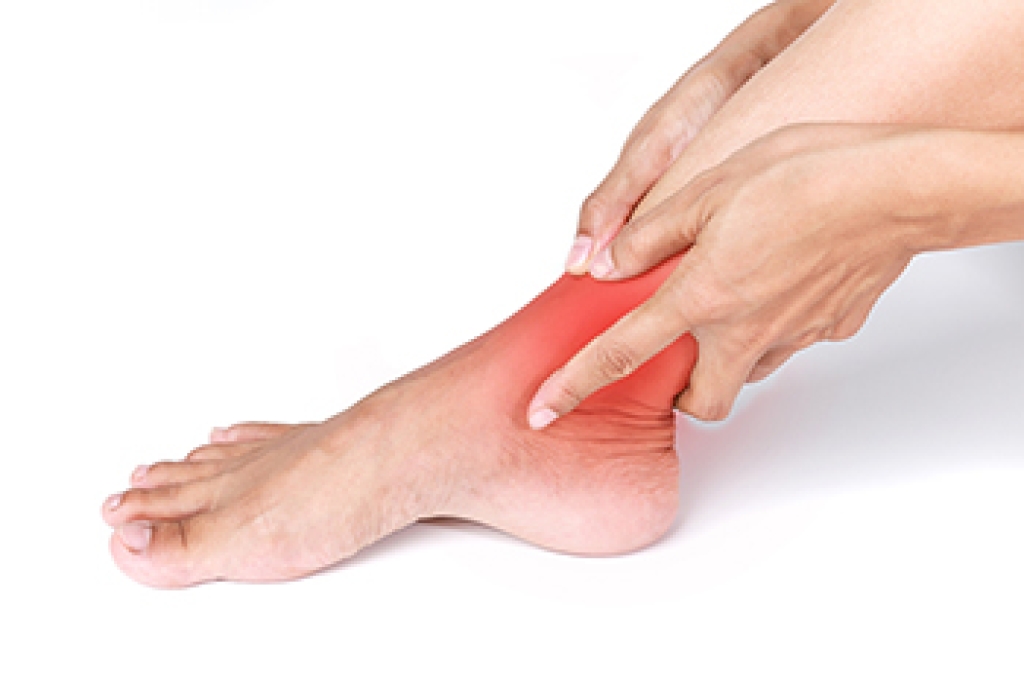
Ankle pain, often caused by injury, instability, or arthritis, can significantly increase the risk of developing osteoarthritis in the knee. When the ankle joint is compromised, it disrupts the natural biomechanics of walking leading to altered gait patterns. This imbalance shifts excessive stress to the knee joint as it compensates for the weakened ankle, accelerating cartilage wear and tear. Over time, the increased joint load contributes to inflammation, pain, and the progressive breakdown of knee cartilage, a hallmark of osteoarthritis. Addressing ankle pain early is essential to prevent this chain reaction. Podiatric treatments such as strengthening exercises, orthotics, or bracing can restore ankle stability and proper alignment. If you have ankle pain, it is suggested that you visit a podiatrist to have an exam and obtain treatment to prevent long-term complications, such as knee arthritis.

Ankle pain can be caused by a number of problems and may be potentially serious. If you have ankle pain, consult with Anas Khoury, DPM from North Eastern Foot & Ankle Specialists. Our doctor will assess your condition and provide you with quality foot and ankle treatment.

Ankle pain is any condition that causes pain in the ankle. Due to the fact that the ankle consists of tendons, muscles, bones, and ligaments, ankle pain can come from a number of different conditions.

Causes

The most common causes of ankle pain include:

  • Types of arthritis (rheumatoid, osteoarthritis, and gout)
  • Ankle sprains
  • Broken ankles
  • Achilles tendonitis
  • Achilles tendon rupture
  • Stress fractures
  • Bursitis
  • Tarsal tunnel syndrome
  • Plantar fasciitis

Symptoms

Symptoms of ankle injury vary based upon the condition. Pain may include general pain and discomfort, swelling, aching, redness, bruising, burning or stabbing sensations, and/or loss of sensation.

Diagnosis

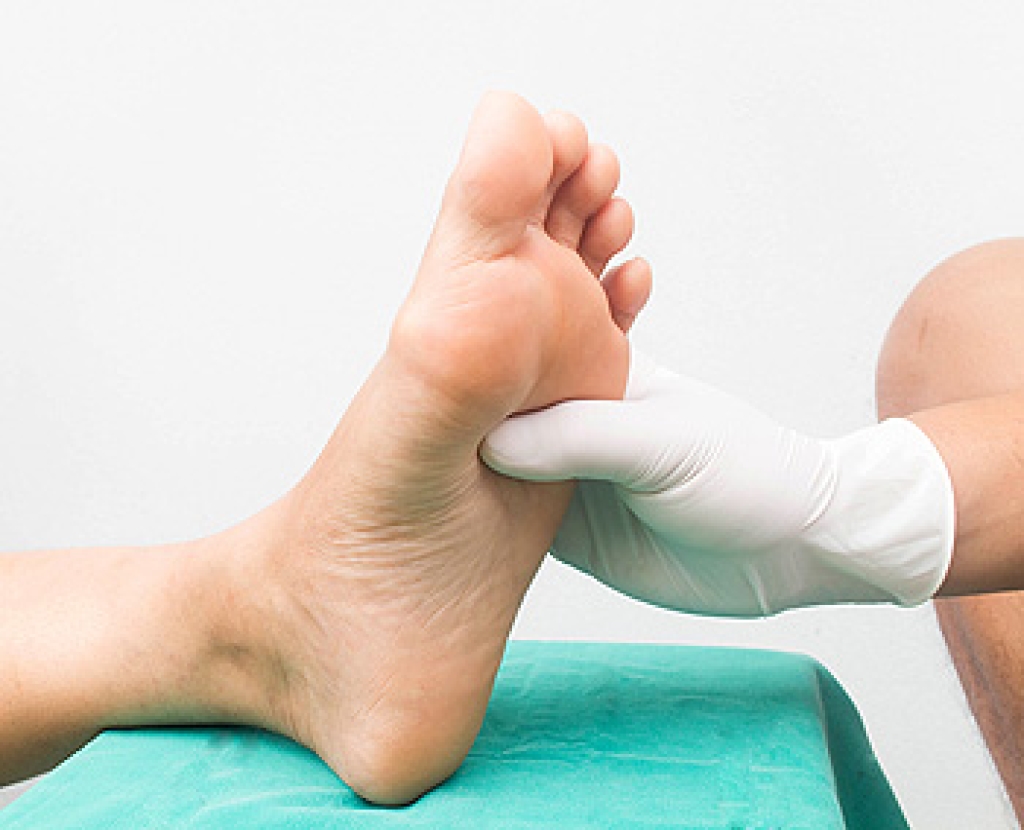
Due to the wide variety of potential causes of ankle pain, podiatrists will utilize a number of different methods to properly diagnose ankle pain. This can include asking for personal and family medical histories and of any recent injuries. Further diagnosis may include sensation tests, a physical examination, and potentially x-rays or other imaging tests.

Treatment

Just as the range of causes varies widely, so do treatments. Some more common treatments are rest, ice packs, keeping pressure off the foot, orthotics and braces, medication for inflammation and pain, and surgery.

If you have any questions please feel free to contact our office located in Passaic, NJ . We offer the newest diagnostic tools and technology to treat your foot and ankle needs.
Read more about Ankle Pain

Foot Orthotics and Plantar Fasciopathy

First-step pain is a hallmark symptom of plantar fasciopathy, often causing significant discomfort upon getting out of bed or after sitting for extended periods. Custom foot orthotics can be extremely effective in reducing this pain. By providing individualized support tailored to the unique shape and structure of the foot, orthotics help to distribute weight evenly and alleviate pressure on the affected heel. This can significantly reduce the tension on the plantar fascia, especially during the initial steps after rest. Custom orthotics can also help correct foot misalignment or abnormal gait patterns that may contribute to the condition. Over time, this support helps reduce inflammation and promotes healing by limiting repetitive stress on the fascia. For many people, wearing custom orthotics leads to noticeable improvements in both first-step pain and overall comfort throughout the day. If you have heel pain, it is suggested that you consult a podiatrist who can properly diagnose the cause, and offer custom-made orthotics as a treatment solution.

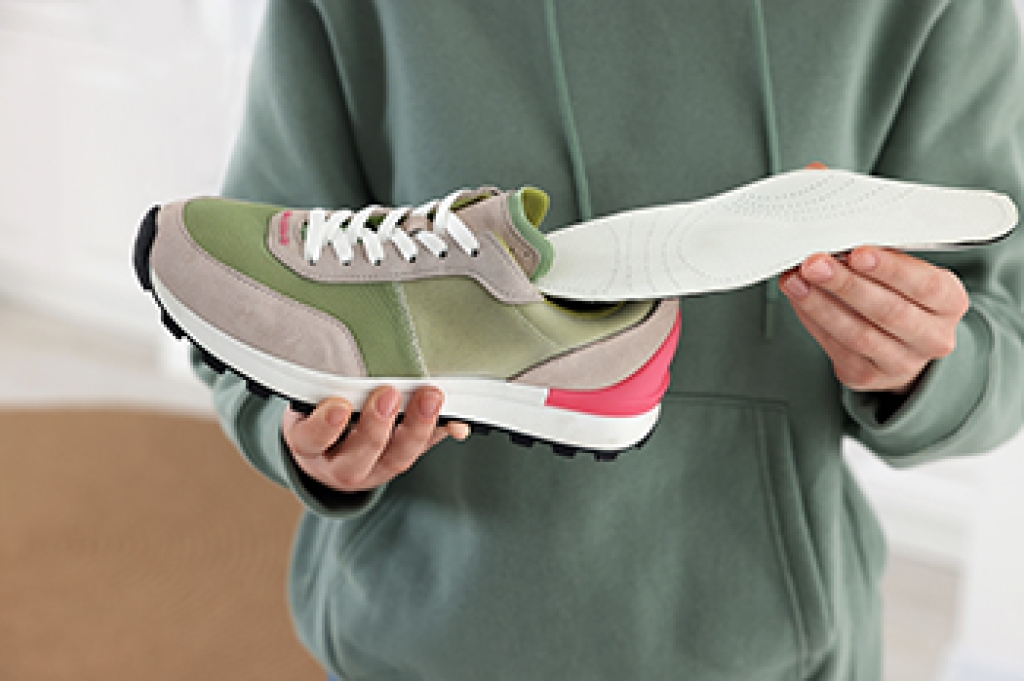
Custom orthotics are specialized shoe inserts created to support and align the feet according to each person’s unique structure and walking pattern. They are an effective way to relieve foot discomfort caused by conditions such as flat feet, high arches, plantar fasciitis, bunions, and heel pain. When the natural alignment of the foot is off balance, it can lead to pressure points, strain, and pain that affect how a person stands, walks, and moves. Orthotics work by redistributing weight evenly and supporting the arch to reduce stress on the muscles, tendons, and joints of the feet and lower legs.

Foot discomfort can develop for many reasons, including wearing improper footwear, long hours of standing, repetitive motion, or underlying structural problems. Over time, this discomfort can extend beyond the feet, contributing to knee, hip, or lower back pain. Custom orthotics help correct these issues by improving alignment and promoting more efficient movement. They are made using precise measurements and imaging to ensure the best fit for each patient, providing targeted support and cushioning where it is needed most.

Unlike generic insoles, custom orthotics are durable, medically designed, and tailored to your specific needs. Whether you are managing chronic pain, recovering from an injury, or simply seeking better comfort and stability, orthotics can make a noticeable difference in how your feet feel throughout the day.

If you are experiencing persistent foot discomfort or fatigue, it may be time to have your feet evaluated by a podiatrist. Call our office today for more information or to schedule an appointment.

If you have any questions, please feel free to contact our office located in Passaic, NJ

Read more about Investing in Custom Orthotics Means Investing in Foot Health

How Cuboid Syndrome Is Diagnosed

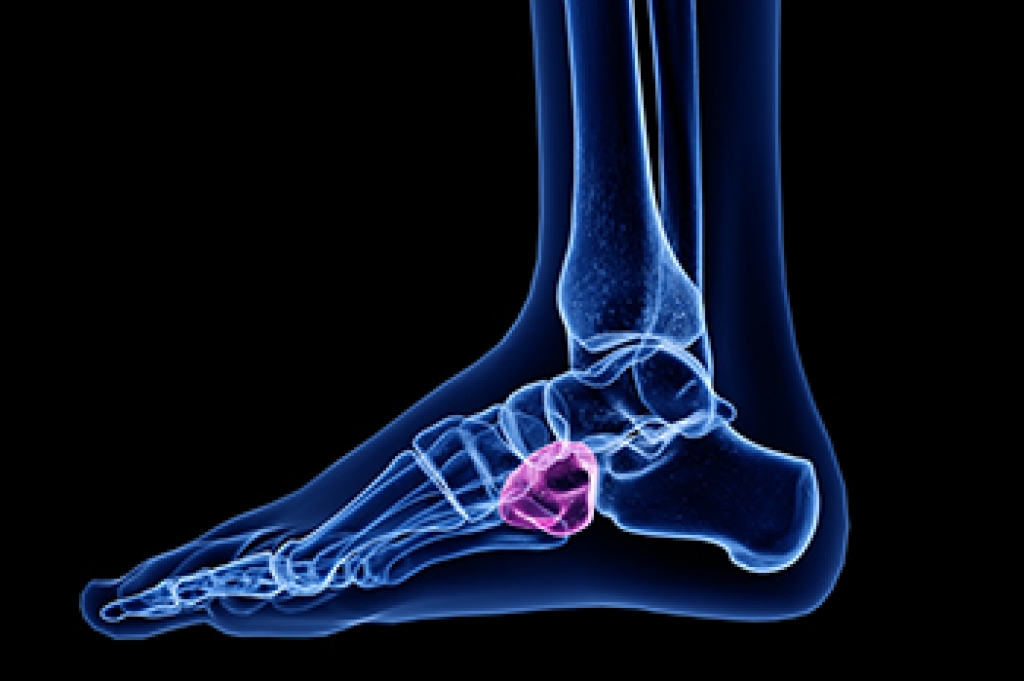
Cuboid syndrome is a condition that affects the foot, specifically the cuboid bone, which is one of the seven tarsal bones located on the outer side of the foot. This syndrome occurs when the cuboid bone becomes slightly misaligned or stiff, often leading to pain in the outer part of the foot. The main causes of cuboid syndrome include sudden movements, foot injuries, overuse, or wearing improper footwear. Activities such as running, jumping, or twisting can strain the cuboid bone and surrounding tissues. Common symptoms include localized pain, swelling, and tenderness on the outer foot, in addition to difficulty walking or bearing weight. To diagnose cuboid syndrome, a podiatrist typically conducts a physical examination and may perform specific manipulation tests. In some cases, imaging tests like X-rays or MRI scans may be used to rule out other conditions and confirm the diagnosis. If you have pain in the outer part of your foot, it is suggested that you consult a podiatrist who can accurately diagnose and treat the problem.

Cuboid syndrome, also known as cuboid subluxation, occurs when the joints and ligaments near the cuboid bone in the foot become torn. If you have cuboid syndrome, consult with Anas Khoury, DPM from North Eastern Foot & Ankle Specialists. Our doctor will assess your condition and provide you with quality foot and ankle treatment.

Cuboid syndrome is a common cause of lateral foot pain, which is pain on the outside of the foot. The condition may happen suddenly due to an ankle sprain, or it may develop slowly overtime from repetitive tension through the bone and surrounding structures.

Causes

The most common causes of cuboid syndrome include:

  • Injury – The most common cause of this ailment is an ankle sprain.
  • Repetitive Strain – Tension placed through the peroneus longus muscle from repetitive activities such as jumping and running may cause excessive traction on the bone causing it to sublux.
  • Altered Foot Biomechanics – Most people suffering from cuboid subluxation have flat feet.

Symptoms

A common symptom of cuboid syndrome is pain along the outside of the foot which can be felt in the ankle and toes. This pain may create walking difficulties and may cause those with the condition to walk with a limp.

Diagnosis

Diagnosis of cuboid syndrome is often difficult, and it is often misdiagnosed. X-rays, MRIs and CT scans often fail to properly show the cuboid subluxation. Although there isn’t a specific test used to diagnose cuboid syndrome, your podiatrist will usually check if pain is felt while pressing firmly on the cuboid bone of your foot.

Treatment

Just as the range of causes varies widely, so do treatments. Some more common treatments are ice therapy, rest, exercise, taping, and orthotics.

If you have any questions, please feel free to contact our office located in Passaic, NJ . We offer the newest diagnostic and treatment technologies for all your foot care needs.

Read more about All About Cuboid Syndrome

What Is a Lisfranc Injury?

A Lisfranc injury refers to damage to bones in the midfoot, specifically the joint complex where the bones of the foot meet. This type of injury often occurs from a traumatic event, such as a car accident, sports injury, or a fall from height, where excessive force is applied to the foot. It can also happen in lower-impact scenarios, like twisting the foot awkwardly while walking or running. Symptoms of a Lisfranc injury include pain, swelling, bruising, and difficulty bearing weight on the affected foot. In severe cases, there may be visible deformity. Treatment depends on the severity of the injury. Minor injuries may be treated with immobilization, while more severe cases may require surgery to realign the bones and stabilize the joint. A podiatrist can accurately diagnose a Lisfranc injury through a physical exam and imaging, and develop a treatment plan to help restore function and alleviate pain. If you suspect a Lisfranc injury, it is suggested that you schedule an appointment with a podiatrist for the right care.

Foot Pain

Foot pain can be extremely painful and debilitating. If you have a foot pain, consult with Anas Khoury, DPM from North Eastern Foot & Ankle Specialists. Our doctor will assess your condition and provide you with quality foot and ankle treatment.

Causes

Foot pain is a very broad condition that could be caused by one or more ailments. The most common include:

  • Bunions
  • Hammertoes
  • Plantar Fasciitis
  • Bone Spurs
  • Corns
  • Tarsal Tunnel Syndrome
  • Ingrown Toenails
  • Arthritis (such as Gout, Rheumatoid, and Osteoarthritis)
  • Flat Feet
  • Injury (from stress fractures, broken toe, foot, ankle, Achilles tendon ruptures, and sprains)
  • And more

Diagnosis

To figure out the cause of foot pain, podiatrists utilize several different methods. This can range from simple visual inspections and sensation tests to X-rays and MRI scans. Prior medical history, family medical history, and any recent physical traumatic events will all be taken into consideration for a proper diagnosis.

Treatment

Treatment depends upon the cause of the foot pain. Whether it is resting, staying off the foot, or having surgery; podiatrists have a number of treatment options available for foot pain.

If you have any questions, please feel free to contact our office located in Passaic, NJ . We offer the newest diagnostic and treatment technologies for all your foot care needs.

Read more about Foot Pain

Finding the Right Shoe Fit

Choosing the correct shoe fit is both an art and a science. It begins with matching the shoe shape to the natural form of your foot, ensuring the shoe follows your foot’s contour. Size is also key, and it is best determined by the length of the arch rather than simply by toe position. A well-fitting shoe should allow the first metatarsal joint, the base of the big toe, to sit in the shoe’s widest area. For maximum comfort, look for lightweight shoes with soft midsoles and gently curved rocker soles. These features tend to feel better for everyday wear. Flexibility in the sole, internal shoe temperature, and insoles can affect comfort, although these factors may vary based on individual needs and activities. Ultimately, a good fit supports foot health and enhances comfort, helping you stay active and pain-free. If you want assistance in selecting the right shoe fit for you, it is suggested that you reach out to a podiatrist for guidance.

Getting the right shoe size is an important part of proper foot health. Seek the assistance of Anas Khoury, DPM from North Eastern Foot & Ankle Specialists. Our doctor will provide the care you need to keep you pain-free and on your feet.

Getting the Right Shoe Size

There are many people who wear shoes that are the incorrect size, negatively affecting their feet and posture. Selecting the right shoes is not a difficult process, so long as you keep several things in mind when it comes to choosing the right pair.

  • When visiting the shoe store, use the tools available to measure your foot.
  • Be sure there is ‘wiggle room’. There should be about an inch between your toes and the tip of your shoes.
  • Do not always assume you are the same size, as manufacturers run differently.
  • Purchase shoes later in the day, as your feet swell as the day progresses.
  • If a shoe is not comfortable, it is not suitable. Most shoes can’t be ‘broken in’, and comfort should be the ultimate goal when it comes to choosing the right pair of shoes

As our feet hold our body weight and keep us moving, it is important to treat them right. Picking the right pair of shoes can provide your feet comfort and mobility without pain.

If you have any questions, please feel free to contact our office located in Passaic, NJ . We offer the newest diagnostic and treatment technologies for all your foot care needs.

Read more about Getting the Right Shoe Size: To Keep Your Feet Happy

Connect With Us