Hablamos Español

Athletes and Plantar Fasciitis

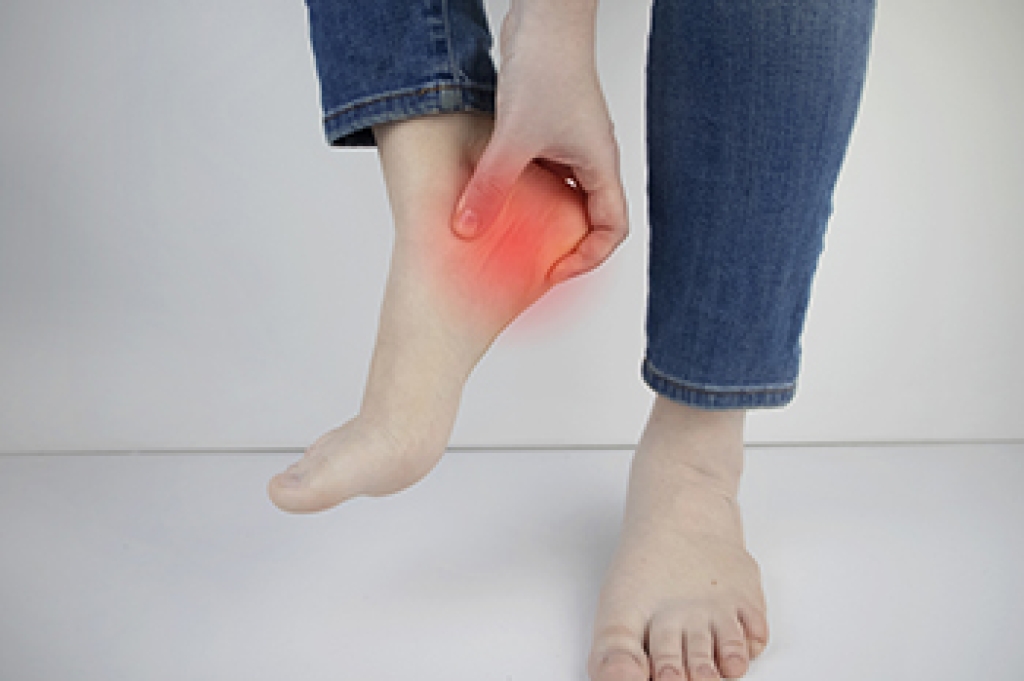
The thick band of tissue that is found on the sole of the foot is known as the plantar fascia. It connects the heel to the toes, and acts as a shock absorber, in addition to providing support to the arch. When the plantar fascia becomes irritated, plantar fasciitis may develop. This can cause pain and discomfort, and the pain may be more severe in the morning after arising. Athletes who develop this condition are often unhappy about it, and it may limit running. It can help to wear supportive footwear, and many athletes gradually increase training. There are specific stretches that can be performed which can help the symptoms of plantar fasciitis. If you would like more information about the causes and treatment of plantar fasciitis, please consult with a podiatrist.

Plantar fasciitis can be very painful and inconvenient. If you are experiencing heel pain or symptoms of plantar fasciitis, contact Anas Khoury, DPM  from North Eastern Foot & Ankle Specialists. Our doctor can provide the care you need to keep you pain-free and on your feet.

What Is Plantar Fasciitis?

Plantar fasciitis is the inflammation of the thick band of tissue that runs along the bottom of your foot, known as the plantar fascia, and causes mild to severe heel pain.

What Causes Plantar Fasciitis?

  • Excessive running
  • Non-supportive shoes
  • Overpronation
  • Repeated stretching and tearing of the plantar fascia

How Can It Be Treated?

  • Conservative measures – anti-inflammatories, ice packs, stretching exercises, physical therapy, orthotic devices
  • Shockwave therapy – sound waves are sent to the affected area to facilitate healing and are usually used for chronic cases of plantar fasciitis
  • Surgery – usually only used as a last resort when all else fails. The plantar fascia can be surgically detached from the heel

While very treatable, plantar fasciitis is definitely not something that should be ignored. Especially in severe cases, speaking to your doctor right away is highly recommended to avoid complications and severe heel pain. Your podiatrist can work with you to provide the appropriate treatment options tailored to your condition.

If you have any questions, please feel free to contact our office located in Passaic, NJ . We offer the newest diagnostic and treatment technologies for all your foot care needs.
Read more about Plantar Fasciitis

What Are the Benefits of Stretching the Feet?

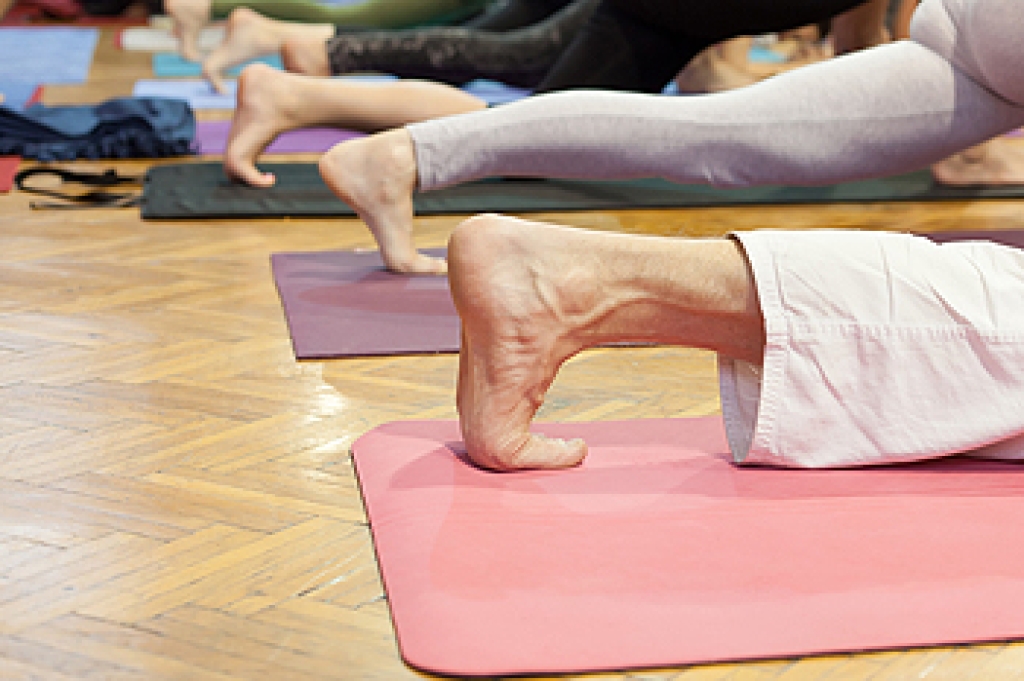
Many patients have occupations that require standing for most of the day. The heel of the foot is often affected by this, and conditions can develop including plantar fasciitis and heel spurs. When the feet are properly stretched it can positively affect the overall body. The standing lunging calf stretch can help to diminish tension in the body that is caused by standing. This stretch may help to promote circulation in the calf muscles which can affect the Achilles tendon. The heels can be stretched by rolling the foot on a tennis ball. Additionally, standing on a step and slowly lowering the heel until a gentle stretch is felt is another way of successfully stretching the heels. If you would like more information about effective foot stretches, please confer with a podiatrist.

Stretching the feet is a great way to prevent injuries. If you have any concerns with your feet consult with Anas Khoury, DPM from North Eastern Foot & Ankle Specialists. Our doctor will assess your condition and provide you with quality foot and ankle treatment.

Stretching the Feet

Being the backbone of the body, the feet carry your entire weight and can easily become overexerted, causing cramps and pain. As with any body part, stretching your feet can serve many benefits. From increasing flexibility to even providing some pain relief, be sure to give your feet a stretch from time to time. This is especially important for athletes or anyone performing aerobic exercises, but anyone experiencing foot pain or is on their feet constantly should also engage in this practice.

Great ways to stretch your feet:

  • Crossing one leg over the others and carefully pull your toes back. Do 10-20 repetitions and repeat the process for each foot
  • Face a wall with your arms out and hands flat against the wall. Step back with one foot and keep it flat on the floor while moving the other leg forward. Lean towards the wall until you feel a stretch. Hold for 30 seconds and perform 10 repetitions for each foot
  • Be sure not to overextend or push your limbs too hard or you could risk pulling or straining your muscle

Individuals who tend to their feet by regular stretching every day should be able to minimize foot pain and prevent new problems from arising.

If you have any questions please contact our office located in Passaic, NJ . We offer the newest diagnostic and treatment technologies for all your foot and ankle needs.

Read more about Stretching Your Feet

Facts About Athlete’s Foot

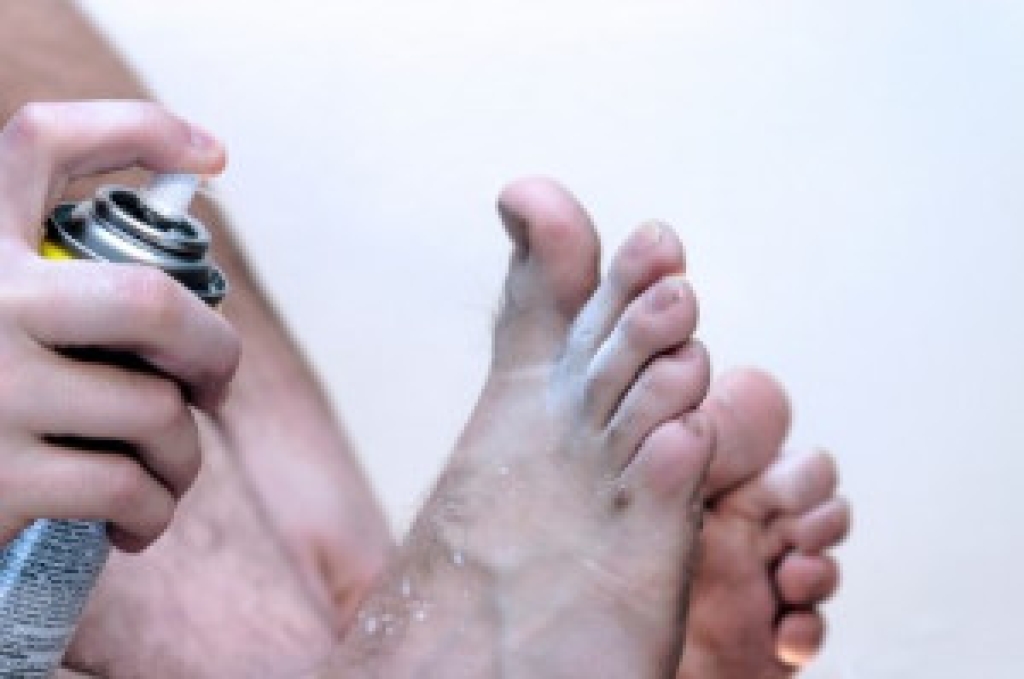
Athlete’s foot (tinea pedis) is an itchy, scaly, red rash that can burn and sting. It is an infection caused by the same fungus that is responsible for jock itch and ringworm. In the case of athlete’s foot, however, the fungus attacks the skin of the feet and typically starts between the toes. Environments that are moist, warm, and dark are perfect breeding grounds for athlete’s foot. People should protect themselves from this virus by wearing flip-flops in locker rooms, communal showers, and public swimming areas. Also, sharing shoes, socks, towels, or personal grooming tools should be avoided as athlete’s foot can also spread through direct contact with an infected person. Athlete’s foot should be treated as early as possible to prevent the infection from spreading and worsening. Contact your podiatrist if you believe you have contracted athlete’s foot.

Athlete’s foot is an inconvenient condition that can be easily reduced with the proper treatment. If you have any concerns about your feet and ankles, contact Anas Khoury, DPM from North Eastern Foot & Ankle Specialists.  Our doctor will treat your foot and ankle needs.

Athlete’s Foot: The Sole Story

Athlete's foot, also known as tinea pedis, can be an extremely contagious foot infection. It is commonly contracted in public changing areas and bathrooms, dormitory style living quarters, around locker rooms and public swimming pools, or anywhere your feet often come into contact with other people.

Solutions to Combat Athlete’s Foot

  • Hydrate your feet by using lotion
  • Exfoliate
  • Buff off nails
  • Use of anti-fungal products
  • Examine your feet and visit your doctor if any suspicious blisters or cuts develop

Athlete’s foot can cause many irritating symptoms such as dry and flaking skin, itching, and redness. Some more severe symptoms can include bleeding and cracked skin, intense itching and burning, and even pain when walking. In the worst cases, Athlete’s foot can cause blistering as well. Speak to your podiatrist for a better understanding of the different causes of Athlete’s foot, as well as help in determining which treatment options are best for you.

If you have any questions please feel free to contact our office located in Passaic, NJ . We offer the newest diagnostic and treatment technologies for all your foot and ankle needs.

Read more about Athlete's Foot

Are You Suffering From Nerve Damage?

Neuropathy is a condition that can lead to numbness or loss of sensation in the feet, but it can also cause pain. This condition is more likely to develop for those who are diabetic, obese, or with high blood pressure.

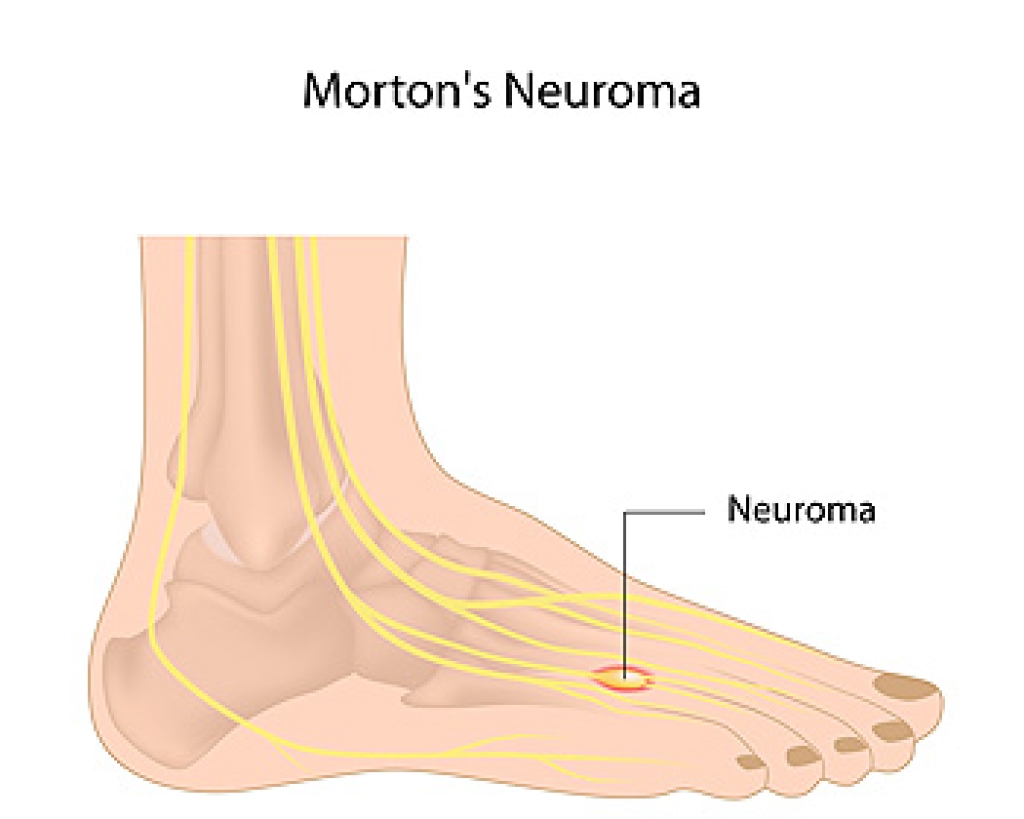
Stretches That May Relieve Pain from Morton Neuroma

The nerve tissue between the third and fourth toes are affected when a condition known as Morton’s neuroma is present. It can cause significant pain, and some people say it feels as if there is a rock or pebble inside the ball of the foot. The most common pain consists of a stabbing or burning sensation that typically worsens over time. This condition can develop as a result from wearing shoes that are too narrow or from medical conditions like bunions, hammertoes, and flat feet. Mild relief may be found when the affected foot is elevated or massaged. It can also be beneficial to perform certain exercises to maintain and strengthen the arch of the foot. Fill a plastic bottle with ice and roll it back and forth along the bottom of the foot. (This will help with inflammation too) Another stretch can be performed while sitting down with your legs straight in front of you. Place the ball of your foot in the middle of a towel, then grab both ends of the towel and gently pull towards your shin. If you have pain in the ball of your foot, please schedule an appointment with a podiatrist who can properly diagnose and treat Morton’s neuroma.

Morton’s neuroma is a very uncomfortable condition to live with. If you think you have Morton’s neuroma, contact Anas Khoury, DPM of North Eastern Foot & Ankle Specialists. Our doctor will attend to all of your foot care needs and answer any of your related questions.  

Morton’s Neuroma

Morton's neuroma is a painful foot condition that commonly affects the areas between the second and third or third and fourth toe, although other areas of the foot are also susceptible. Morton’s neuroma is caused by an inflamed nerve in the foot that is being squeezed and aggravated by surrounding bones.

What Increases the Chances of Having Morton’s Neuroma?

  • Ill-fitting high heels or shoes that add pressure to the toe or foot
  • Jogging, running or any sport that involves constant impact to the foot
  • Flat feet, bunions, and any other foot deformities

Morton’s neuroma is a very treatable condition. Orthotics and shoe inserts can often be used to alleviate the pain on the forefront of the feet. In more severe cases, corticosteroids can also be prescribed. In order to figure out the best treatment for your neuroma, it’s recommended to seek the care of a podiatrist who can diagnose your condition and provide different treatment options.

If you have any questions, please feel free to contact our office located in Passaic, NJ . We offer the newest diagnostic and treatment technologies for all your foot care needs.

Read more about Morton's Neuroma

Connect With Us