Hablamos Español

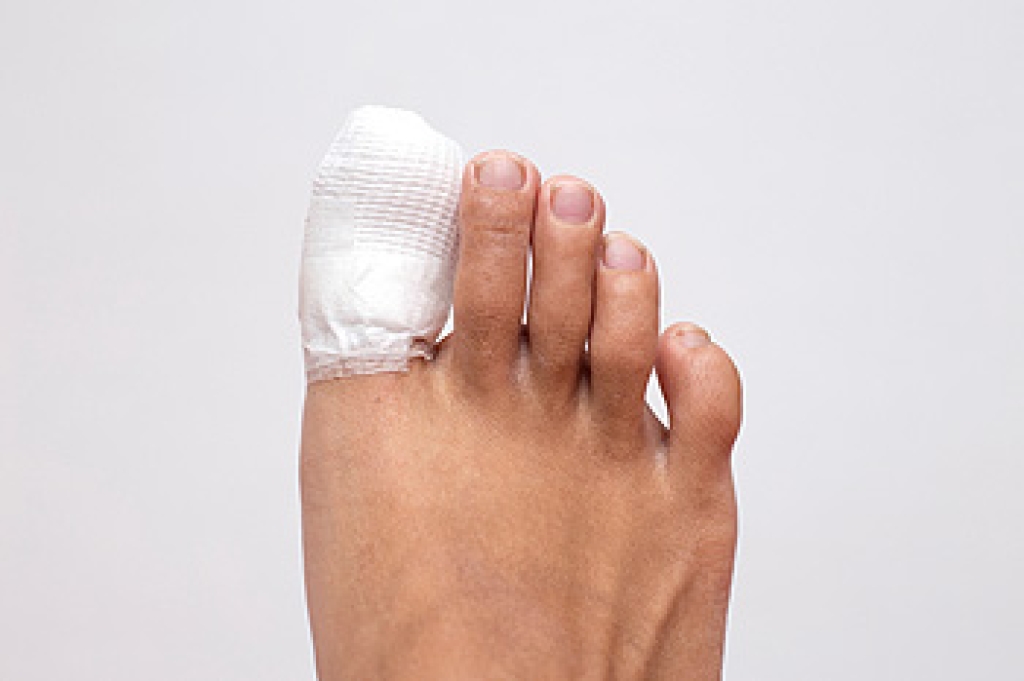
Exercising a Broken Toe That Has Healed

Dropping a heavy object on your toe, or stubbing it against a piece of furniture, are common reasons to experience a broken toe. Pain is generally the first symptom that is noticed, and it can be difficult to walk. Additionally, many patients notice their toe is swollen and bruised, and it is often painful to wear shoes. The affected foot may feel better when it is elevated, and this can help to diminish a portion of the swelling. As the healing process occurs, it may be beneficial to perform stretches and exercises that can promote rebuilding and strength. Toe curls can be effective in strengthening the toes, in addition to the overall foot. This is done by curling the toes, followed by stretching them back as far as possible. Many patients choose to pick up a towel from the floor with their toes, which can help to strengthen the top of the foot. If you would like to know how to perform additional exercise after a broken toe has healed, please consult with a podiatrist. 

Broken toes may cause a lot of pain and should be treated as soon as possible. If you have any concerns about your feet, contact Anas Khoury, DPM from North Eastern Foot & Ankle Specialists. Our doctor will treat your foot and ankle needs.

What Is a Broken Toe?

A broken toe occurs when one or more of the toe bones of the foot are broken after an injury. Injuries such as stubbing your toe or dropping a heavy object on it may cause a toe fracture.

Symptoms of a Broken Toe

  • Swelling
  • Pain (with/without wearing shoes)
  • Stiffness
  • Nail Injury

Although the injured toe should be monitored daily, it is especially important to have a podiatrist look at your toe if you have severe symptoms. Some of these symptoms include worsening or new pain that is not relieved with medication, sores, redness, or open wounds near the toe.

If you have any questions please feel free to contact our office located in Passaic, NJ . We offer the newest diagnostic tools and technology to treat your foot and ankle needs.
Read more about What to Know About a Broken Toe

When Cracked Heels Need Professional Treatment

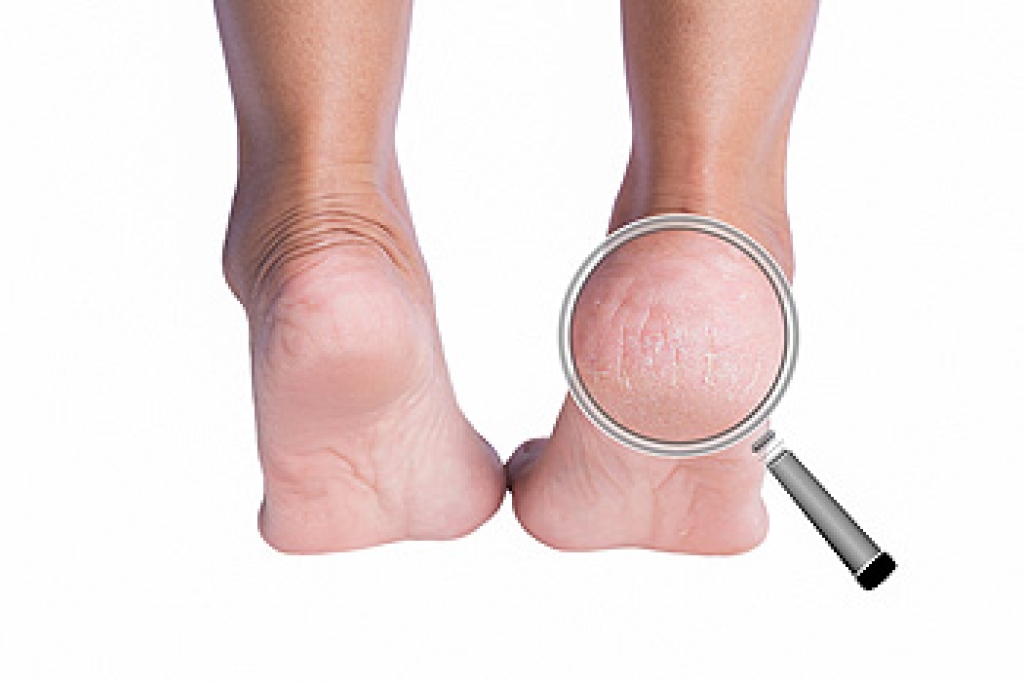
There are several reasons why cracked heels occur. You may be walking around barefoot too much, standing on hard surfaces for extended amounts of time, or wearing open-back shoes or flip flops that can allow fat pads under the heel to spread out sideways and increase the chances of cracks developing. Certain medical conditions such as arthritis, diabetes, psoriasis, athlete’s foot, or even obesity can increase your risk of developing cracked heels as well. Nutritional deficiencies, exposure to certain harsh chemicals or detergents, and dry skin due to aging can all pave the way for cracked heels. Most mild cracked heels are often just a minor annoyance and can be treated with proper foot care. Left untreated, however, they may deepen, bleed, become painful or even infected—which is particularly dangerous for those with compromised immune systems or diabetes. If you are struggling to heal your cracked heels, or they are severely cracked, it is suggested you contact a podiatrist for proper treatment.

If the skin on your feet starts to crack, you may want to see a podiatrist to find treatment. If you have any concerns, contact Anas Khoury, DPM from North Eastern Foot & Ankle Specialists. Our doctor can provide the care you need to keep you pain-free and on your feet.

Cracked Heels

It is important to moisturize your cracked heels in order to prevent pain, bleeding, and infection. The reason cracked heels form is because the skin on the foot is too dry to support the immense pressure placed on them. When the foot expands, the dry skin on the foot begins to split.

Ways to Help Heal Them

  • Invest in a good foot cream
  • Try Using Petroleum Jelly
  • Ease up on Soaps
  • Drink Plenty of Water

Ways to Prevent Cracked Heels

  • Moisturize After Showering
  • Skip a Shower
  • Keep Shower Water Lukewarm
  • Don’t Scrub Your Feet

If you are unsure how to proceed in treating cracked heels, seek guidance from a podiatrist. Your doctor will help you with any questions or information you may need. 

If you have any questions, please feel free to contact our office located in Passaic, NJ . We offer the newest diagnostic and treatment technologies for all your foot care needs.

Read more about Solutions for Cracked Heels

Getting to the Root of Heel Pain

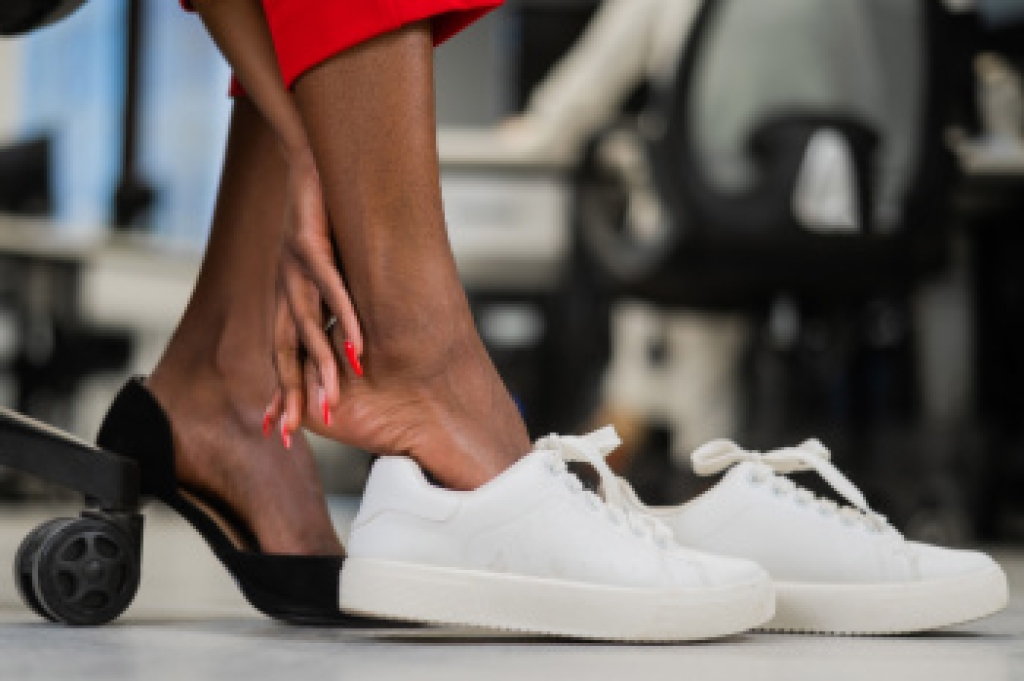
Heel pain is a common problem that can interfere with walking, exercise, and daily activities. The discomfort may be caused by conditions such as plantar fasciitis, heel spurs, tendonitis, or nerve irritation. Because the heel supports much of the body’s weight, even minor issues can become persistent if not addressed. Diagnosis begins with a podiatrist evaluating your medical history, activity level, and footwear. A physical exam, along with imaging, such as X-rays or ultrasounds, may be used to pinpoint the cause. Identifying the source of pain is essential, since treatment varies depending on the condition. Management can include rest, stretching, footwear changes, custom orthotics, or targeted exercises. Anti-inflammatory medications and advanced treatments may also be recommended. In rare cases, surgery may be necessary. If heel pain is interfering with your mobility or quality of life, it is suggested that you see a podiatrist for a diagnosis and appropriate treatment.

Many people suffer from bouts of heel pain. For more information, contact Anas Khoury, DPM of North Eastern Foot & Ankle Specialists. Our doctor can provide the care you need to keep you pain-free and on your feet.

Causes of Heel Pain

Heel pain is often associated with plantar fasciitis. The plantar fascia is a band of tissues that extends along the bottom of the foot. A rip or tear in this ligament can cause inflammation of the tissue.

Achilles tendonitis is another cause of heel pain. Inflammation of the Achilles tendon will cause pain from fractures and muscle tearing. Lack of flexibility is also another symptom.

Heel spurs are another cause of pain. When the tissues of the plantar fascia undergo a great deal of stress, it can lead to ligament separation from the heel bone, causing heel spurs.

Why Might Heel Pain Occur?

  • Wearing ill-fitting shoes                
  • Wearing non-supportive shoes
  • Weight change           
  • Excessive running

Treatments

Heel pain should be treated as soon as possible for immediate results. Keeping your feet in a stress-free environment will help. If you suffer from Achilles tendonitis or plantar fasciitis, applying ice will reduce the swelling. Stretching before an exercise like running will help the muscles. Using all these tips will help make heel pain a condition of the past.

If you have any questions, please feel free to contact our office located in Passaic, NJ . We offer the newest diagnostic and treatment technologies for all your foot care needs.

Read more about Heel Pain

Let the Expert Treat Your Ingrown Toenails

Ingrown toenails can be painful and can make wearing shoes or walking uncomfortable. Seek professional help if you believe you've developed an ingrown toenail and be treated safely. 

Custom Orthotics Provide Relief From Heel Pain

Experiencing persistent heel pain? Custom Orthotics might be your solution. These custom-designed shoe inserts adapt to your unique foot structure, optimizing support and alleviating discomfort. By redistributing pressure, they can significantly reduce heel pain, enhancing your daily mobility. Dive into a pain-free lifestyle and elevate your walking experience. Curious about the benefits of Custom Orthotics?

Contact our office today.

Connect With Us