Hablamos Español

How Orthotics Support the Body

Foot and lower limb pain can come from how the bones, joints, muscles, and nerves work when standing, walking, or running, especially if the feet are not aligned well or carry weight unevenly. Common causes include flat feet, high arches, previous sprains that changed how the foot moves, and repetitive strain that places extra pressure on certain areas. Symptoms may include aching or sharp pain in the heels, arches, or balls of the feet, tired legs, stiffness in the ankles, and discomfort that grows worse during activity. When the feet do not move and support the body correctly, other parts of the legs and back can also feel strain. Orthotics are devices placed inside shoes that can help support the arches, improve how the foot contacts the ground, and guide better movement. By reducing uneven pressure and improving alignment, orthotics can help the body move with less pain and more comfort. If foot pain is affecting your daily activities, it is suggested that you contact a podiatrist to schedule an evaluation and learn more about custom orthotics. 

Custom orthotics are specialized shoe inserts created to support and align the feet according to each person’s unique structure and walking pattern. They are an effective way to relieve foot discomfort caused by conditions such as flat feet, high arches, plantar fasciitis, bunions, and heel pain. When the natural alignment of the foot is off balance, it can lead to pressure points, strain, and pain that affect how a person stands, walks, and moves. Orthotics work by redistributing weight evenly and supporting the arch to reduce stress on the muscles, tendons, and joints of the feet and lower legs.

Foot discomfort can develop for many reasons, including wearing improper footwear, long hours of standing, repetitive motion, or underlying structural problems. Over time, this discomfort can extend beyond the feet, contributing to knee, hip, or lower back pain. Custom orthotics help correct these issues by improving alignment and promoting more efficient movement. They are made using precise measurements and imaging to ensure the best fit for each patient, providing targeted support and cushioning where it is needed most.

Unlike generic insoles, custom orthotics are durable, medically designed, and tailored to your specific needs. Whether you are managing chronic pain, recovering from an injury, or simply seeking better comfort and stability, orthotics can make a noticeable difference in how your feet feel throughout the day.

If you are experiencing persistent foot discomfort or fatigue, it may be time to have your feet evaluated by a podiatrist. Call our office today for more information or to schedule an appointment.

If you have any questions, please feel free to contact our office located in Passaic, NJ

Read more about Sole Marketing and Heel Pain

A Stubbed Toe Can Actually Be a Broken Toe

A broken toe often occurs after stubbing the foot against a hard surface, dropping a heavy object on it, or during sports activity. The toe may look swollen, bruised, or slightly crooked, and the skin can become red or tender. Many patients describe sharp pain at the time of injury, followed by throbbing discomfort that worsens while walking or wearing shoes. In some cases, movement of the toe becomes limited, and pressure along the bone increases pain. While some minor fractures can heal with protection and rest, others require more careful treatment. A podiatrist will perform a detailed examination, and may order X-rays to determine the location and severity of the break. Treatment options include protective taping, a surgical shoe, or an immobilizing cast to allow proper healing. Targeted exercises may later help restore strength and flexibility. If you have a broken toe, it is suggested that you schedule an appointment with a podiatrist for appropriate treatment.

A broken toe can be very painful and lead to complications if not properly fixed. If you have any concerns about your feet, contact Anas Khoury, DPM from North Eastern Foot & Ankle Specialists. Our doctor will treat your foot and ankle needs.

What to Know About a Broken Toe

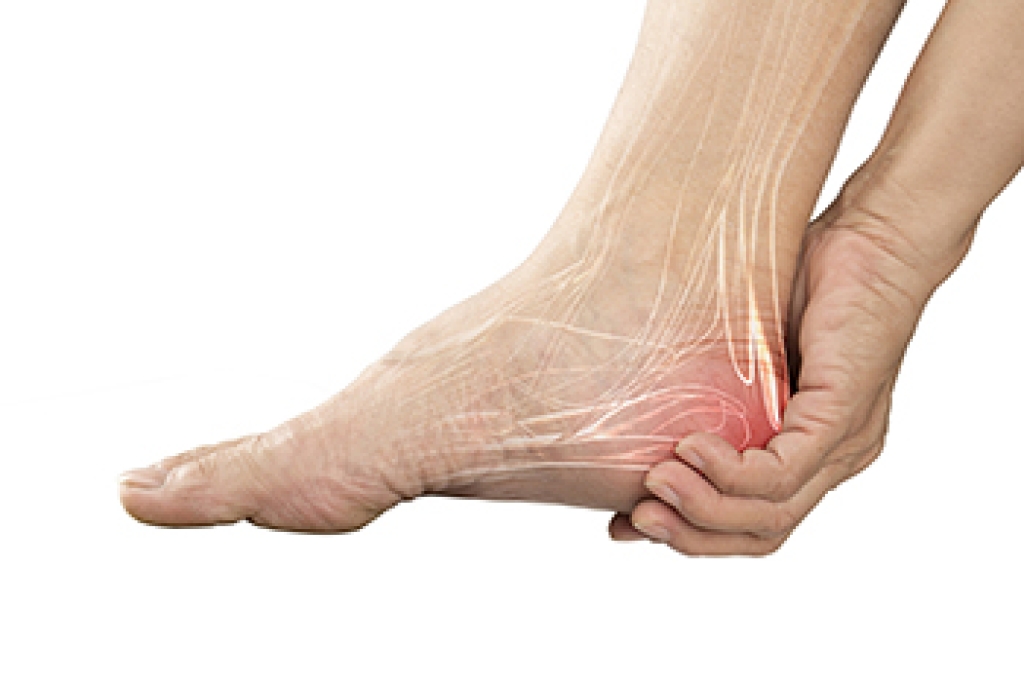
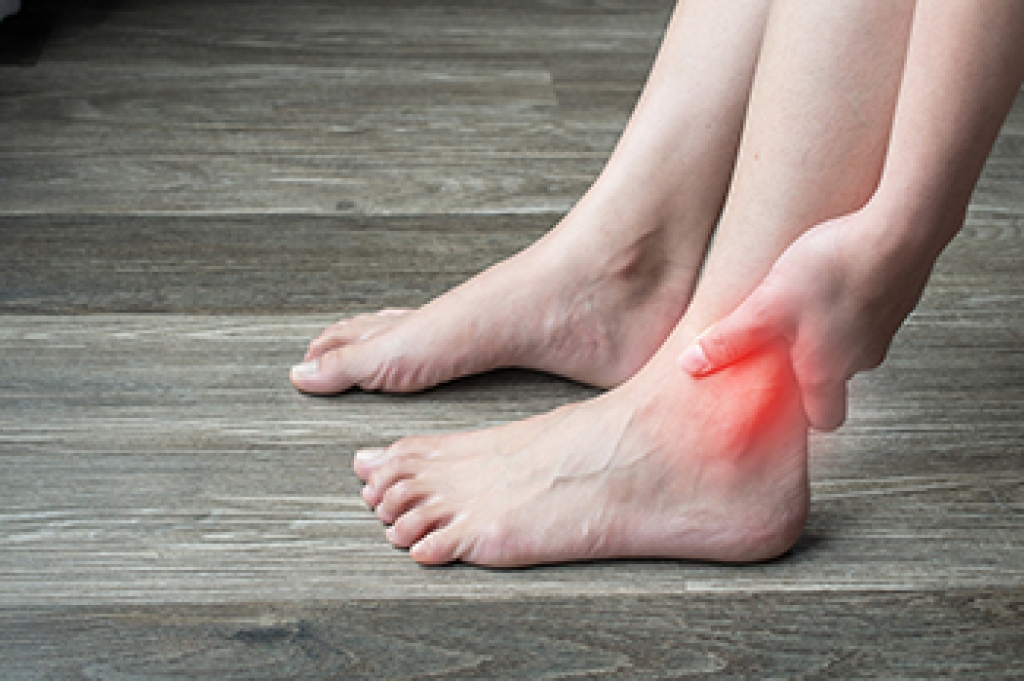
Although most people try to avoid foot trauma such as banging, stubbing, or dropping heavy objects on their feet, the unfortunate fact is that it is a common occurrence. Given the fact that toes are positioned in front of the feet, they typically sustain the brunt of such trauma. When trauma occurs to a toe, the result can be a painful break (fracture).

Symptoms of a Broken Toe

  • Throbbing pain
  • Swelling
  • Bruising on the skin and toenail
  • The inability to move the toe
  • Toe appears crooked or disfigured
  • Tingling or numbness in the toe

Generally, it is best to stay off of the injured toe with the affected foot elevated.

Severe toe fractures may be treated with a splint, cast, and in some cases, minor surgery. Due to its position and the pressure it endures with daily activity, future complications can occur if the big toe is not properly treated.

If you have any questions, please feel free to contact our office located in Passaic, NJ . We offer the newest diagnostic and treatment technologies for all your foot care needs.
Read more about What to Know About a Broken Toe

Types of Foot Orthotics

Foot orthotics are custom or prefabricated medical devices placed inside shoes to support alignment, improve function, and relieve pressure. They are commonly used to treat conditions like corns, foot ulcers, tendonitis, and recurrent ankle sprains by redistributing weight and stabilizing movement. Functional foot orthotics are designed to control abnormal motion and improve biomechanics, while prefabricated devices offer general support and convenience. Pressure relief orthotics are created to reduce high stress areas and protect vulnerable skin, especially for patients at risk of ulcers. These devices are carefully designed based on foot structure, gait analysis, and specific medical needs. A podiatrist can evaluate your condition and prescribe the most effective orthotic solution. If you have a foot condition, it is suggested that you consult a podiatrist who can discuss the benefits of orthotics with you.

If you are having discomfort in your feet and would like to try orthotics, contact Anas Khoury, DPM from North Eastern Foot & Ankle Specialists. Our doctor can provide the care you need to keep you pain-free and on your feet.

What Are Orthotics?

Orthotics are inserts you can place into your shoes to help with a variety of foot problems such as flat feet or foot pain. Orthotics provide relief and comfort for minor foot and heel pain but can’t correct serious biomechanical problems in your feet.

Over-the-Counter Inserts

Orthotics come in a wide variety of over-the-counter inserts that are used to treat foot pain, heel pain, and minor problems. For example, arch supports can be inserted into your shoes to help correct overarched or flat feet, while gel insoles are often used because they provide comfort and relief from foot and heel pain by alleviating pressure.

Prescription Orthotics

If over-the-counter inserts don’t work for you or if you have a more severe foot concern, it is possible to have your podiatrist prescribe custom orthotics. These high-quality inserts are designed to treat problems such as abnormal motion, plantar fasciitis, and severe forms of heel pain. They can even be used to help patients suffering from diabetes by treating foot ulcers and painful calluses and are usually molded to your feet individually, which allows them to provide full support and comfort.

If you are experiencing minor to severe foot or heel pain, it’s recommended to speak with your podiatrist about the possibilities of using orthotics. A podiatrist can determine which type of orthotic is right for you and allow you to take the first steps towards being pain-free.

If you have any questions, please feel free to contact our office located in Passaic, NJ . We offer the newest diagnostic and treatment technologies for all your foot care needs.

Read more about Ankle Foot Orthotics for Athletes

What Can Cause Foot Pain During Exercise

Foot pain during exercise is a common complaint and can stem from several underlying issues. Repetitive impact from walking, running, or court sports places stress on bones, muscles, and soft tissues. Wearing poorly fitting shoes or footwear without proper support may increase pressure and strain, especially during high-impact activity. Overuse injuries such as plantar fasciitis, tendon irritation, and stress reactions often develop gradually and worsen with continued exercise. Structural factors like flat feet, high arches, or abnormal gait patterns can also affect how force is distributed through the foot. Sudden changes in activity level, intensity, or surface may overload tissues that are not yet conditioned. Addressing foot pain early helps prevent more serious injury. Rest, activity modification, stretching, and wearing supportive footwear are often helpful first steps. Orthotics may improve alignment and reduce strain during movement. When foot pain continues during or after exercise, it is suggested that you see a podiatrist for a proper diagnosis and appropriate treatment.

Exercising your feet regularly with the proper foot wear is a great way to prevent injuries and build strength. If you have any concerns about your feet, contact Anas Khoury, DPM from North Eastern Foot & Ankle Specialists. Our doctor can provide the care you need to keep you pain-free and on your feet.

Exercise for Your Feet

Exercise for your feet can help you gain strength, mobility and flexibility in your feet. They say that strengthening your feet can be just as rewarding as strengthening another part of the body. Your feet are very important, and we often forget about them in our daily tasks. But it is because of our feet that are we able to get going and do what we need to. For those of us fortunate enough to not have any foot problems, it is an important gesture to take care of them to ensure good health in the long run.

Some foot health exercises can include ankle pumps, tip-toeing, toe rises, lifting off the floor doing reps and sets, and flexing the toes. It is best to speak with Our doctor to determine an appropriate regimen for your needs. Everyone’s needs and bodies are different, and the activities required to maintain strength in the feet vary from individual to individual. 

Once you get into a routine of doing regular exercise, you may notice a difference in your feet and how strong they may become.

If you have any questions, please feel free to contact our office located in Passaic, NJ . We offer the newest diagnostic and treatment technologies for all your foot care needs.

Read more about Exercise for Your Feet

Plantar Warts Can Be Treated!

Plantar warts are small growths that develop on parts of the feet that bear weight. They're typically found on the bottom of the foot. Don't live with plantar warts, and call us today!

Connect With Us