Hablamos Español

Causes and Prevention of Foot Puncture Wounds

Foot puncture wounds are injuries caused by sharp objects piercing the skin, often resulting from accidental trauma. These injuries are commonly seen when individuals step on nails, broken glass, or other pointed materials. Although the external wound may appear minor, the internal damage can be more significant. Bacteria can enter deep into the tissue, creating an environment where infection can develop quickly. Recognizing how these injuries occur helps individuals take steps to protect their foot health.

The symptoms of a puncture wound can vary depending on the depth and severity of the injury. Initial signs often include bleeding, localized pain, and sensitivity when pressure is applied. As the body responds, swelling and redness may appear around the affected area. If infection develops, additional symptoms like warmth, drainage, and increased pain may occur. These signs indicate that the body is reacting to bacteria introduced during the injury. Prompt attention to these symptoms is important for preventing further complications.


Several risk factors can increase the likelihood of sustaining a puncture wound or developing complications. Walking barefoot in unfamiliar or unsafe environments is one of the most common causes. Footwear that lacks proper protection can also allow sharp objects to penetrate the sole. Occupational hazards, outdoor activities, and cluttered living spaces may further increase risk. Preventative strategies include wearing durable shoes, keeping living and work areas free of sharp debris, and remaining cautious in high risk environments.


In summary, foot puncture wounds are preventable injuries that require careful attention due to the risk of infection. Protecting the feet with appropriate footwear and avoiding barefoot exposure are simple yet effective measures. If you have incurred a foot puncture wound or notice signs of infection, it is strongly suggested that you promptly consult a podiatrist for effective relief and treatment solutions.

Wound care is an important part in dealing with diabetes. If you have diabetes and a foot wound or would like more information about wound care for diabetics, consult with Anas Khoury, DPM from North Eastern Foot & Ankle Specialists. Our doctor will assess your condition and provide you with quality foot and ankle treatment.

What Is Wound Care?

Wound care is the practice of taking proper care of a wound. This can range from the smallest to the largest of wounds. While everyone can benefit from proper wound care, it is much more important for diabetics. Diabetics often suffer from poor blood circulation which causes wounds to heal much slower than they would in a non-diabetic. 

What Is the Importance of Wound Care?

While it may not seem apparent with small ulcers on the foot, for diabetics, any size ulcer can become infected. Diabetics often also suffer from neuropathy, or nerve loss. This means they might not even feel when they have an ulcer on their foot. If the wound becomes severely infected, amputation may be necessary. Therefore, it is of the upmost importance to properly care for any and all foot wounds.

How to Care for Wounds

The best way to care for foot wounds is to prevent them. For diabetics, this means daily inspections of the feet for any signs of abnormalities or ulcers. It is also recommended to see a podiatrist several times a year for a foot inspection. If you do have an ulcer, run the wound under water to clear dirt from the wound; then apply antibiotic ointment to the wound and cover with a bandage. Bandages should be changed daily and keeping pressure off the wound is smart. It is advised to see a podiatrist, who can keep an eye on it.

If you have any questions please contact our office located in Passaic, NJ . We offer the newest diagnostic and treatment technologies for all your foot and ankle needs.

Read more about Wound Care

Ballet Foot Structure and Ideal Shape

Ballet dancers rely on precise foot biomechanics to perform controlled and graceful movements. The foot is a highly specialized structure made up of interconnected bones that work together to provide stability and flexibility. During dance, the foot must transition between flat positions and elevated positions while maintaining balance. This requires strong coordination between the arch, toes, and supporting muscles. A clear understanding of how these elements function together helps dancers optimize performance and reduce the risk of injury.

The symptoms of poor foot biomechanics in ballet may include pain, fatigue, and instability during movement. Dancers may notice difficulty maintaining balance or achieving proper alignment in positions. The arch may collapse under pressure, or the toes may not distribute weight evenly. These issues can lead to discomfort and increase the likelihood of overuse injuries. Early recognition of these signs allows for corrective strategies that support better movement patterns.


Certain risk factors can affect how the foot performs in ballet. Foot shape, muscle strength, and joint flexibility all play a role. A medium arch provides an effective balance between mobility and support, which is ideal for most dancers. A square foot shape with straight toes helps create even pressure distribution, especially when working in pointe shoes. However, dancers with different foot types can still perform well with proper conditioning and technique. Identifying individual risk factors helps guide personalized care.


The causes of foot strain in ballet are often related to repetitive loading and mechanical imbalance. When the bones and joints do not work together efficiently, stress can build up in certain areas, leading to injury. Preventive measures include strengthening exercises, proper warm up routines, and wearing supportive footwear. Consistent care and technique refinement are essential for long term success in dance. If you have endured a foot or ankle injury while engaged in ballet dancing, it is suggested you consult a podiatrist for an accurate diagnosis and appropriate treatment.

If you have any concerns about your feet, contact Anas Khoury, DPM from North Eastern Foot & Ankle Specialists. Our doctor can provide the care you need to keep you pain-free and on your feet.

Biomechanics in Podiatry

Podiatric biomechanics is a particular sector of specialty podiatry with licensed practitioners who are trained to diagnose and treat conditions affecting the foot, ankle and lower leg. Biomechanics deals with the forces that act against the body, causing an interference with the biological structures. It focuses on the movement of the ankle, the foot and the forces that interact with them.

A History of Biomechanics

  • Biomechanics dates back to the BC era in Egypt where evidence of professional foot care has been recorded.
  • In 1974, biomechanics gained a higher profile from the studies of Merton Root, who claimed that by changing or controlling the forces between the ankle and the foot, corrections or conditions could be implemented to gain strength and coordination in the area.

Modern technological improvements are based on past theories and therapeutic processes that provide a better understanding of podiatric concepts for biomechanics. Computers can provide accurate information about the forces and patterns of the feet and lower legs.

Understanding biomechanics of the feet can help improve and eliminate pain, stopping further stress to the foot.

If you have any questions please feel free to contact our office located in Passaic, NJ . We offer the newest diagnostic and treatment technologies for all your foot and ankle needs.

Read more about The Importance of Biomechanics in Podiatry

Dealing With an Ankle Sprain

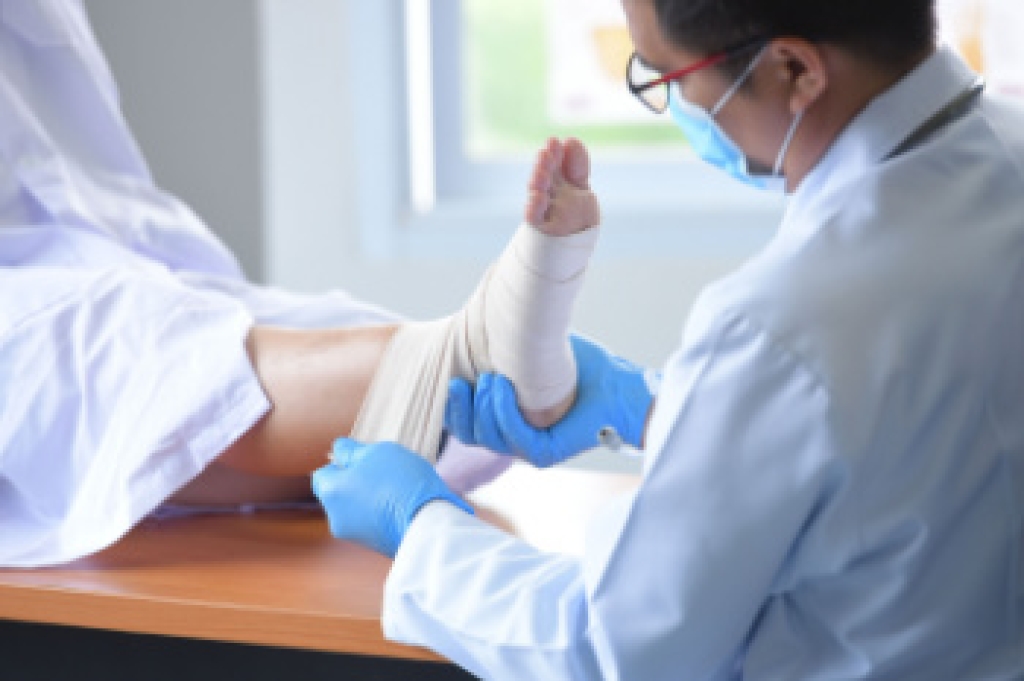
It can be difficult to tell the difference between an ankle sprain and a fracture without proper evaluation. Both often occur after a fall, misstep, or sudden twist, and each can cause immediate pain, swelling, and difficulty bearing weight. A sprained ankle involves stretched or torn ligaments, while a broken ankle affects one or more bones. Common symptoms include bruising, stiffness, and instability along with swelling, tenderness, limited motion. The ankle may look puffy or misshapen and it can feel weak, especially during movement. Causes include sports injuries, uneven surfaces and accidents. A podiatrist can help by performing a detailed examination and ordering imaging to accurately diagnose the injury and rule out fractures. Treatment may begin with immobilization, rest, and supportive devices. It then can progress to targeted exercises, bracing, or surgical care depending on severity. If you have sustained an ankle injury, it is suggested that you make an appointment with a podiatrist.

Although ankle sprains are common, they aren’t always minor injuries. If you need your ankle injury looked at, contact Anas Khoury, DPM from North Eastern Foot & Ankle Specialists. Our doctor can provide the care you need to keep you pain-free and on your feet.

How Does an Ankle Sprain Occur?

Ankle sprains are the result of a tear in the ligaments within the ankle. These injuries may happen when you make a rapid shifting movement while your foot is planted. A less common way to sprain your ankle is when your ankle rolls inward while your foot turns outward.

What Are the Symptoms?

  • Pain at the sight of the tear
  • Bruising/Swelling
  • Ankle area is tender to touch
  • In severe cases, may hear/feel something tear
  • Skin discoloration

Preventing a Sprain

  • Wearing appropriate shoes for the occasion
  • Stretching before exercises and sports
  • Knowing your limits

Treatment of a Sprain

In many cases, the RICE method (Rest, Ice, Compression, and Elevate) is used to treat ankle sprains. However, you should see a podiatrist to see which treatment option would work best with your injury. In severe cases, surgery may be required.

It is important to ask your doctor about rehab options after you receive treatment for your injury. Stretching, strength training, and balance exercises may help the ankle heal while also preventing further injury.

If you have any questions, please feel free to contact our office located in Passaic, NJ . We offer the newest diagnostic and treatment technologies for all your foot care needs.

Read more about Ankle Sprains

Are You Suffering From Ingrown Toenails?

If left untreated, an ingrown toenail can lead to more serious concerns, such as an infection. Knowing proper nail care can help in the prevention of an ingrown toenail. Give us a call, and get treated!

Reduce Flat Feet Discomfort With Custom Orthotics

Flat feet? Rise above the discomfort with Custom Orthotics. Specifically designed to support the arch and align the foot, Custom Orthotics can be a game-changer for those with flat feet. They help in distributing weight evenly, preventing undue stress and potential pain. Walk, run, or stand with newfound confidence, knowing your feet have the support they've been missing. Want to explore the benefits of Custom Orthotics tailored for flat feet? Contact us today!

Connect With Us