Foot Pain and Buerger’s Disease

Buerger’s disease, also called thromboangiitis obliterans, is a rare condition that causes inflammation and blockage in the small and medium-sized blood vessels. These blockages reduce blood flow to the hands and feet, limiting the oxygen needed to keep tissues healthy. The condition is strongly linked to tobacco use, including smoking cigarettes. When circulation decreases, the toes may become painful and vulnerable to tissue damage. Although Buerger’s disease cannot always be reversed, stopping tobacco use is essential for preventing further damage and protecting foot health.

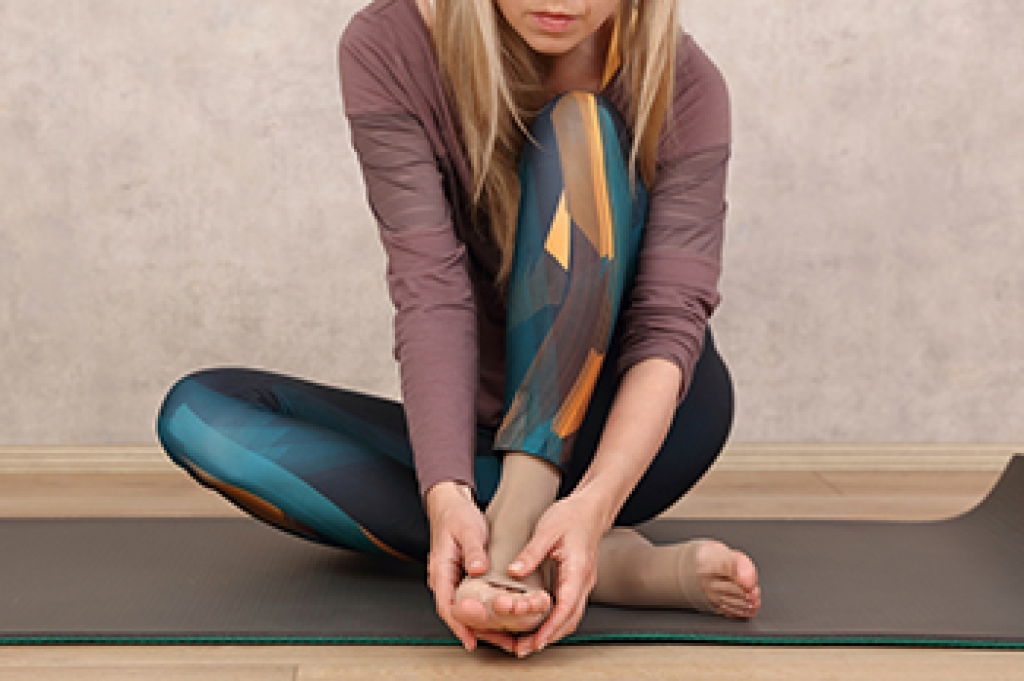
The symptoms of Buerger’s disease often begin in the feet, where poor circulation can cause noticeable changes. Toes may appear pale, red, or bluish, especially when exposed to cold temperatures. Some people experience persistently cold feet, burning sensations, or pain while walking. Others develop painful sores on their toes that heal slowly because the affected tissues receive insufficient blood. In severe cases, restricted circulation can cause tissue death, known as gangrene, which may lead to limb loss. Recognizing these warning signs early is important because prompt treatment helps reduce complications and protect the feet.

Smoking is the primary risk factor for Buerger’s disease, and continued tobacco use may worsen blood vessel inflammation and circulation problems. The condition is most common among younger adults who use tobacco products, although individual risk varies. Other tobacco products, including cigars and chewing tobacco, may also contribute to disease progression. The most important step in managing Buerger’s disease is completely stopping tobacco use. Even small amounts of continued exposure increase the risk of further blood vessel damage. Avoiding secondhand smoke and protecting the feet from cold or injury also help reduce additional problems.

A podiatrist evaluates foot symptoms, examines skin color and temperature, and checks circulation to identify concerns associated with Buerger’s disease. Treatment may include wound care, protective dressings, and strategies to prevent pressure or injury to vulnerable areas. The podiatrist may also recommend appropriate footwear and monitor sores for signs of worsening tissue damage. Severe circulation problems require prompt attention to help protect affected toes and feet. If you have symptoms of Buerger’s disease, it is suggested that you consult a podiatrist for an accurate diagnosis and appropriate treatment. Quitting tobacco completely is essential for protecting circulation and preserving foot health.

Foot Pain

Foot pain can be extremely painful and debilitating. If you have a foot pain, consult with Anas Khoury, DPM from Northeastern Foot & Ankle Specialists. Our doctor will assess your condition and provide you with quality foot and ankle treatment.

Causes

Foot pain is a very broad condition that could be caused by one or more ailments. The most common include:

  • Bunions
  • Hammertoes
  • Plantar Fasciitis
  • Bone Spurs
  • Corns
  • Tarsal Tunnel Syndrome
  • Ingrown Toenails
  • Arthritis (such as Gout, Rheumatoid, and Osteoarthritis)
  • Flat Feet
  • Injury (from stress fractures, broken toe, foot, ankle, Achilles tendon ruptures, and sprains)
  • And more

Diagnosis

To figure out the cause of foot pain, podiatrists utilize several different methods. This can range from simple visual inspections and sensation tests to X-rays and MRI scans. Prior medical history, family medical history, and any recent physical traumatic events will all be taken into consideration for a proper diagnosis.

Treatment

Treatment depends upon the cause of the foot pain. Whether it is resting, staying off the foot, or having surgery; podiatrists have a number of treatment options available for foot pain.

If you have any questions, please feel free to contact our office located in Passaic, NJ . We offer the newest diagnostic and treatment technologies for all your foot care needs.

Read more about Foot Pain

Heel Pain Can Be Treated!

Do you suffer from heel pain when you get up in the morning? If so, you should seek professional help and have a proper diagnosis performed. Heel pain can be caused by several different foot-related conditions.

Custom Orthotics Seasonal - Any Season

Rain or shine, snow or sleet, Custom Orthotics have your feet covered! As the seasons change, ensure your steps remain comfortable and supported. Custom Orthotics adapt to your footwear, from summer sandals to winter boots, providing consistent relief and alignment. Don't let the changing weather dictate your foot comfort. Step confidently year-round and experience the difference with Custom Orthotics. Call today for more information.

Dealing Safely With Blisters on the Feet

A blister is a raised pocket of fluid that forms when the upper layers of skin separate. On the feet, repeated friction is the leading cause. Shoes that are too tight, loose, or stiff can rub the skin. Heat and moisture can make this rubbing worse. Blisters frequently develop on the heels, toes, or balls of the feet. Symptoms of foot blisters include tenderness, redness, and a fluid-filled bubble. Although most blisters heal within several days to a week, pressure can delay healing and increase discomfort.

Some people face a greater risk of complications from a foot blister. Diabetes, poor circulation, or reduced feeling in the feet can make a small wound harder to notice and heal. A blister that breaks can invite a bacterial infection. Warning signs of infection include increasing redness, warmth, or swelling. Drainage, worsening pain, and red streaks also require medical attention. A podiatrist can examine blisters that are severe, keep returning, or do not improve. Prompt care is especially important for patients with diabetes or circulation problems, since an untreated infection can threaten tissue and raise the risk of limb loss.

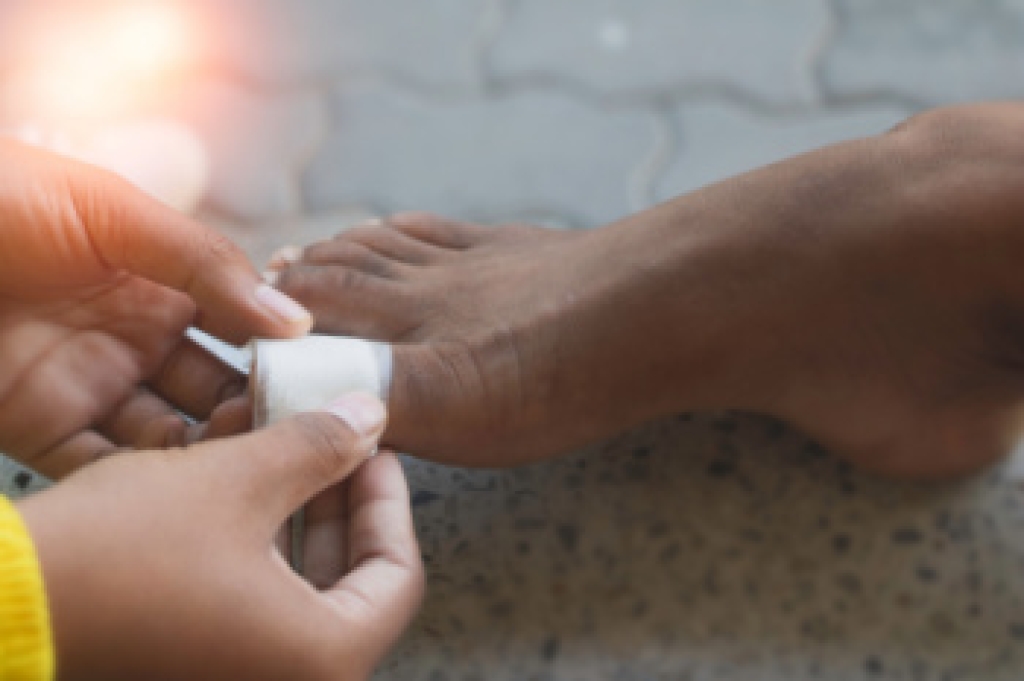
Popping a blister yourself is not recommended. A podiatrist can clean and protect the area, safely draining a large blister while preserving its protective skin, or applying a dressing. The podiatrist can also reduce pressure with padding or custom orthotics. To help prevent new blisters, the podiatrist may assess shoe fit, foot shape, and walking patterns. Recommendations can include wearing well-fitting shoes, moisture-wicking socks, and protective padding for areas that rub. Patients who develop repeated blisters may need an evaluation for a bony prominence or another source of pressure. Addressing the cause can improve comfort and reduce the chance of another blister forming. If you have a painful blister on the foot, it is suggested that you schedule an appointment with a podiatrist for effective relief and prevention tips.

Blisters may appear as a single bubble or in a cluster. They can cause a lot of pain and may be filled with pus, blood, or watery serum. If your feet are hurting, contact Anas Khoury, DPM of Northeastern Foot & Ankle Specialists. Our doctor can provide the care you need to keep you pain-free and on your feet.

Foot Blisters

Foot blisters are often the result of friction. This happens due to the constant rubbing from shoes, which can lead to pain.

What Are Foot Blisters?

A foot blister is a small fluid-filled pocket that forms on the upper-most layer of the skin. Blisters are filled with clear fluid and can lead to blood drainage or pus if the area becomes infected.

Symptoms

(Blister symptoms may vary depending on what is causing them)

  • Bubble of skin filled with fluid
  • Redness
  • Moderate to severe pain
  • Itching

Prevention & Treatment

In order to prevent blisters, you should be sure to wear comfortable shoes with socks that cushion your feet and absorb sweat. Breaking a blister open may increase your chances of developing an infection. However, if your blister breaks, you should wash the area with soap and water immediately and then apply a bandage to the affected area. If your blisters cause severe pain it is important that you call your podiatrist right away.

If you have any questions, please feel free to contact our office located in Passaic, NJ . We offer the newest diagnostic and treatment technologies for all your foot care needs.
Read more about Blisters

Custom Orthotics for Active Feet

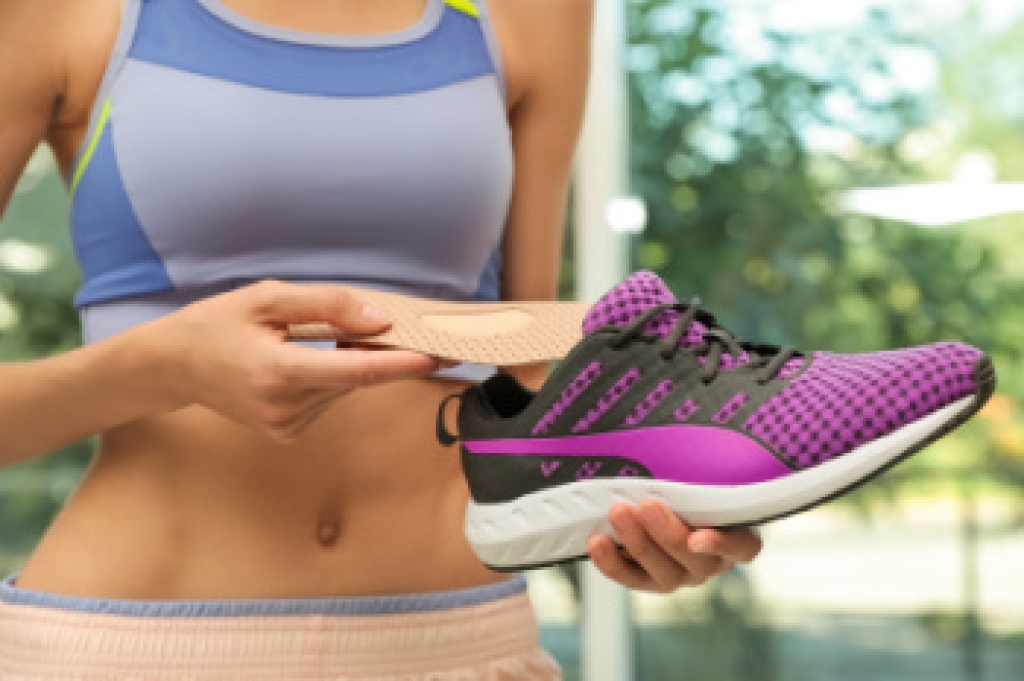
Custom-made orthotics are individually designed shoe inserts that support foot function during sports and other physical activities. They are made to match a person’s foot structure and movement needs. Active people may experience heel pain, arch discomfort, or ankle strain after exercise. Risk factors include overuse, poor foot mechanics, and sudden increases in activity. These concerns can change how a person runs, jumps, or changes direction, which may increase stress on the feet and legs.

Custom orthotics can help improve how pressure moves through the feet during activity. They may support the arch, improve weight distribution, and encourage more efficient movement. By addressing certain biomechanical problems, orthotics may help reduce repeated stress on muscles and soft tissues. They do not guarantee injury prevention, but proper support can help lower movement-related strain for some people. The ideal design depends on the activity and individual needs.


A podiatrist can determine whether custom orthotics are appropriate for an active person. Treatment begins with a discussion of symptoms, activity level,  and previous injuries. The podiatrist then examines foot structure and observes movement patterns. Digital scanning or other measurements may be used to capture the foot accurately. A custom device can then be designed based on these findings. During follow-up visits, the podiatrist checks comfort and function. Adjustments can be made when needed to improve fit and support.


Custom orthotics can be useful for athletes and active adults who need personalized foot support. They may complement proper footwear and sensible training habits, while helping address mechanical concerns that affect movement. Orthotics may also support comfortable participation in walking, running, or recreational exercise. If you are physically active, have foot pain, and would like to know about orthotics, it is suggested that you consult a podiatrist who can discuss the benefit of custom-made orthotics with you.

Custom orthotics can make a remarkable difference in daily comfort and mobility by supporting the feet in their most natural and balanced position. Because the feet form the foundation for the entire body, any imbalance can affect not only how a person walks, but also how the knees, hips, and spine align. Over time, this can lead to fatigue, pain, or reduced movement. Custom orthotics are designed to restore stability and promote proper alignment, which can transform the way a person feels and functions throughout the day.

People who wear custom orthotics often experience improved posture, less joint strain, and greater endurance during work, exercise, and leisure activities. The support they provide helps relieve chronic discomfort from conditions such as plantar fasciitis, flat feet, and heel pain, while also reducing the risk of future injuries. For those who stand for long hours or engage in sports, orthotics can make movement smoother and more efficient, allowing the body to perform at its best without unnecessary stress.

Each pair of custom orthotics is created after a detailed evaluation of foot structure, gait, and pressure distribution. By addressing each person’s unique needs, they offer comfort and confidence with every step.

If you are experiencing ongoing foot discomfort or fatigue, it is suggested that you contact our office for more information or to make an appointment.

If you have any questions, please feel free to contact our office located in Passaic, NJ . 

Read more about Sole Marketing Life Impact