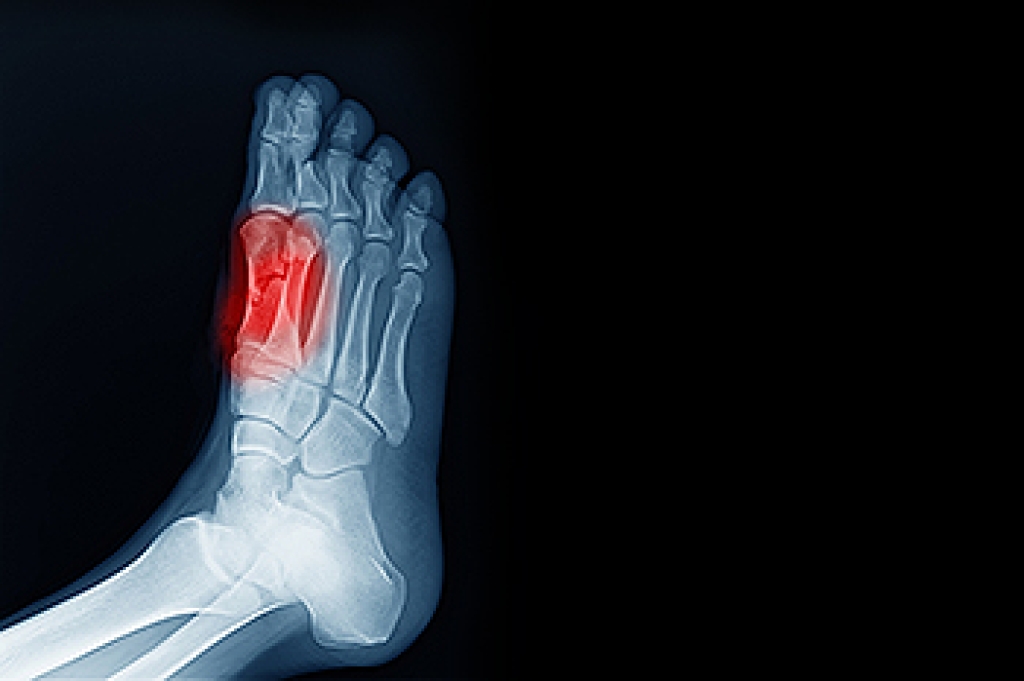
Sesamoiditis can make every step uncomfortable because it affects two small bones beneath the base of the big toe. These bones, called sesamoids, sit inside a tendon and help the foot absorb pressure while walking, running, and pushing off the ground. When the sesamoids become irritated or inflamed, pain develops under the ball of the foot near the big toe. The discomfort usually becomes worse while walking, especially when wearing thin-soled shoes or high heels. Mild swelling, warmth, or redness can also appear in the area. Sesamoiditis affects runners, dancers, and people with high arches. It also affects many people with bunions because changes in foot structure place extra pressure on the sesamoid bones.
A podiatrist begins by asking about symptoms and examining the foot. Gentle pressure on each sesamoid bone helps identify the exact source of pain. When swelling surrounds the big toe joint, additional testing helps rule out gout or an infection. If a fracture or changes in the position of the sesamoid bones are suspected, X-rays are commonly ordered. An MRI scan, which creates detailed images of bones and soft tissues, provides more information when X-rays do not give a clear answer. An accurate diagnosis allows the podiatrist to recommend the most effective treatment.
Treatment focuses on reducing pressure on the sesamoid bones and allowing the irritated area to recover. A podiatrist can recommend shoes with thick soles, custom orthotics, or offloading pads that shift pressure away from the painful area. When a fracture is present without the bones moving out of place, the foot can be protected with a rigid medical shoe while healing occurs. Surgery is considered only when other treatments do not relieve symptoms. Early care helps prevent ongoing pain and allows many patients to return to comfortable movement. If you have symptoms of sesamoiditis, it is suggested that you schedule an appointment with a podiatrist for diagnosis and appropriate treatment.
Sesamoiditis is an unpleasant foot condition characterized by pain in the balls of the feet. If you think you’re struggling with sesamoiditis, contact Anas Khoury, DPM of North Eastern Foot & Ankle Specialists. Our doctor will treat your condition thoroughly and effectively.
Sesamoiditis
Sesamoiditis is a condition of the foot that affects the ball of the foot. It is more common in younger people than it is in older people. It can also occur with people who have begun a new exercise program, since their bodies are adjusting to the new physical regimen. Pain may also be caused by the inflammation of tendons surrounding the bones. It is important to seek treatment in its early stages because if you ignore the pain, this condition can lead to more serious problems such as severe irritation and bone fractures.
Causes of Sesamoiditis
- Sudden increase in activity
- Increase in physically strenuous movement without a proper warm up or build up
- Foot structure: those who have smaller, bonier feet or those with a high arch may be more susceptible
Treatment for sesamoiditis is non-invasive and simple. Doctors may recommend a strict rest period where the patient forgoes most physical activity. This will help give the patient time to heal their feet through limited activity. For serious cases, it is best to speak with your doctor to determine a treatment option that will help your specific needs.
If you have any questions, please feel free to contact our office located in Passaic, NJ . We offer the newest diagnostic and treatment technologies for all your foot care needs.
